
 Español
 Türkçe
 Français
 عربي
عربي  dansk
dansk 한국어
한국어 Deutsch
 Việt Nam
 Italiano
 日本語
日本語 Português

Have you ever considered what it means to lay a pipeline on some of the harshest landscapes on earth? Approximately, as we all know, like in the Arctic tundra or in high-altitude mountains, where the temperatures are so severely low that they can turn regular steel as brittle as glass. This is not just a theoretical situation but an enormous unseen risk. When the cold reaches that degree where the updated carbon steel becomes super vulnerable to what we call brittle fracture, the last thing you want is a pipeline literally disintegrating into countless sections.
So how can we ensure that our pipelines stay intact, rather than simply stop freezing and breaking? The answer is material specially developed for low-temperature toughness: low-temperature toughness steel. I will unpack the science behind this unbelievable material, share how it stays strong in the extreme cold, and show you evidence of its use today worldwide protecting important infrastructure.
The Science of Cold: Why Regular Steel Fails
To really understand what makes low-temperature toughness steel important, you first need to understand what happens to normal steel when the cold creeps in. What Happens to Carbon Steel at Low Temperatures? As it gets colder, steel experiences a spooky transformation in its crystal structure; this leads to a critical point establishing the Ductile-to-Brittle Transition Temperature (DBTT). Beyond the DBTT or above the temperature, steel is "ductile," meaning it possesses the ability to bend or deform a little before it finally breaks, absorbing a ton of energy.
Below the DBTT, however, it's a completely different story. The steel's fracture mechanism switches over to a "brittle" mode. Its impact toughness drops like a rock, and suddenly, even a small shock or a stress point can cause a crack to zip through the material at lightning speed, leading to a catastrophic failure with zero warning.
This pretty much answers the key question: Does steel become brittle at low temperatures? Yes, it absolutely does. For carbon steel, this is an inherent characteristic. That's why building a pipeline in an extremely cold region requires low-temperature-toughness steel to ensure it stays reliable for its entire lifespan.
Engineered for the Cold: The Secrets of Low-Temperature Steel
To beat the cold, our engineers and metallurgists have a few tricks up their sleeves, focusing on both the steel's chemical makeup and its manufacturing process.
The Right Chemical Ingredients
The secret to low-temperature toughness steel is its carefully controlled chemical recipe. We add specific alloying elements to lower the DBTT. For example, by precisely managing the carbon and manganese content and adding a small amount of nickel (Ni), we can dramatically improve the steel's cold-weather performance. Nickel is a powerful alloying element that refines the grain structure and stabilizes the steel, allowing it to maintain its excellent toughness even at temperatures of -40°C or colder.
The Power of Thermal Processing
Beyond the chemical mix, special manufacturing processes are crucial for ensuring low-temperature toughness.
- Normalized heat treatment: This is a very common process. We reheat the steel plate to a specific temperature and then cool it down evenly. This removes internal stresses from the rolling process and refines the grain structure. A finer grain structure helps stop cracks from spreading, which significantly boosts the steel's impact toughness in the cold.
- TMCP Process: In some cases, we use advanced thermo-mechanical controlled rolling (TMCP). As you might know from our previous article on high-performance pipeline steel, TMCP lets us achieve great strength and toughness by precisely controlling the temperature and deformation during the rolling process, often without the need for additional heat treatment.

Beyond Pipelines: Where Else Low-Temperature Steel Is Used
Low-temperature toughness steel isn't just for main pipelines. It plays a vital role across the entire energy supply chain.
Pipeline Applications: From the Arctic to LNG Terminals
Low-temperature line pipe Steel, like steel that meets API 5L PSL2 requirements and has passed low-temperature impact testing, is perfect for building critical infrastructure such as:
- Arctic and high-altitude pipelines: These transport natural gas and oil in frigid places like Siberia, Alaska, and Canada.
- LNG (Liquefied Natural Gas) storage tanks and terminals: These facilities have to cool natural gas down to incredibly low temperatures (around -162°C), so they need specialized steel that can handle extreme cold and high pressure.
Non-Pipeline Applications: The Case of LCC Steel
Besides the main line pipe, there's another crucial material called LCC (Low-Temperature Carbon Steel). Even though LCC isn't pipeline steel itself, it's essential for the entire pipeline system. What is LCC steel? It's a type of steel used to make components that have to withstand low temperatures and pressure, like valves, flanges, and fittings. What is LTCS material used for? It ensures the integrity of the whole system because even if the main pipeline is tough, the whole thing can fail if the fittings can't handle the cold. Understanding this distinction shows you have a complete grasp of the entire industry.

Our Commitment to Cold-Weather Performance
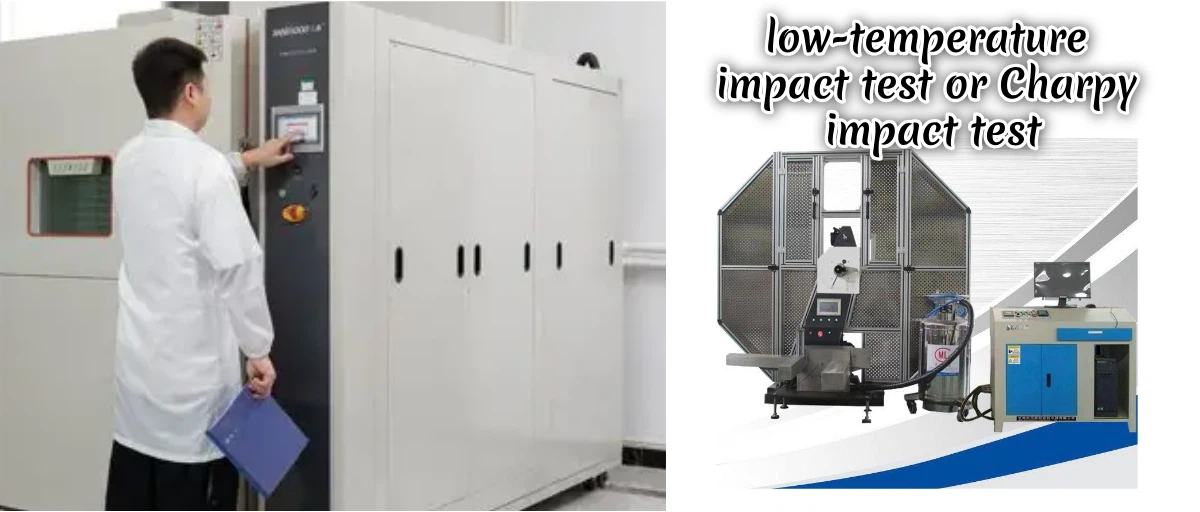
At Promisteel, we know that in the toughest environments, the success of a project often comes down to the quality of the materials. Our low-temperature toughness steel plates are made with precise chemical control and advanced heat treatment to ensure they perform exceptionally well in the bitter cold. All of our products are certified to international standards, including API 5L, and we also provide a full range of documentation and low-temperature impact testing reports showcasing the toughness of every single plate.
We also offer several options for customization according to your project's specifications. Whether it be a massive oil pipeline or a complex, smaller piece of low-temperature equipment, we have a selection of employees who can provide the advice, equipment, and material you need to be satisfied with your decision. Visit our Home page or check us out on the About Us page.
Conclusion
When you are working on a low-temperature project, selecting the proper steel is not so much about performance as it is about trying to mitigate disaster. Low Temperature Toughness steel is the only steel that can ensure pipelines can operate accordingly and safely in the cold. The exact chemical compositions and advanced manufacturing mean completely zero risk of brittle fracture, resulting in a rock-solid foundation for global energy infrastructure.
Promisteel is about supplying low-temperature toughness steel to our clients around the globe so that they can build with the assurance that they can operate in the hardest environments. Don't take a chance with "regular" steel. Contact us for expert advice and specific solutions on your specific low-temperature project. Our team is waiting to help via our Contact Us page.


