
 Español
 Türkçe
 Français
 عربي
عربي  dansk
dansk 한국어
한국어 Deutsch
 Việt Nam
 Italiano
 日本語
日本語 Português


Cold Rolled Steel
Cold rolled steel is hot rolled steel that has undergone additional processing to improve its dimensional and mechanical properties. During the cold rolling process, cooled hot rolled steel passes through another series of rollers at room temperature. Since the material is no longer hot and malleable, a significantly higher amount of pressure is required to compress it into the desired shape. While this process can be more labor-intensive and expensive than the hot rolling process, it can achieve tighter dimensional tolerances and better surface qualities.
Benefits of Cold Rolled Steel
Superior Durability
Cold rolled steel sheets become more durable due to the nature of work hardening. This process involves an increase of metal strength under mechanical pressure.Metal becomes harder due to structural changes as metal crystals dislocate, flatten, slip against each other, and tighten during cold rolling. As rollers exert high pressure, they pack metal grains as tightly as possible. As a result, this type of steel appears to be 20% more durable than its hot-rolled counterpart. Due to this, it doesn’t require further budget-straining heat treatment. That is why many businesses prefer cold-rolled steel.
Tight Dimensions
Cold rolled steel vary in thickness, but they’re generally much thinner than hot-rolled sheets. Steel mills produce cold-rolled coils within the 0.060” – 0.105” thickness range. Due to work hardening, one can produce cold-rolled coils of tighter dimensions without compromising their strength. Such metal is lightweight and durable. Thus, a cold-rolled steel sheet exhibits strength comparable to a 50% thicker hot-rolled one.Cold-rolled metal products come in handy for metal projects that require strength encapsulated in small dimensions, like metal furniture, roofs, car parts, home appliances, etc. On top of that, low weight combined with the superior durability of such steel allows you to save on transportation costs.
Smooth Texture
When a rolled sheet cools down, it acquires a rough finish due to naturally reformed metal crystals. They rearrange and form coarse metal grains. Besides, metal oxides and non-metallic inclusions get pressed into the metal surface during hot rolling. These features explain why hot-rolled metal is so rough, has a stained surface, and looks “dirty” in general.But cold rolling is a whole different story. As the rollers compress and flatten metal billets even further, their metal grains get elongated at a microscopic level. This process affects the texture of the final steel coils, smoothing and tightly packing their metal crystals. It reduces most surface imperfections, giving the steel a polished texture, free of any projections or indentations.
Increased Dimensional Accuracy
As the volume of metal expands at high temperatures, it shrinks back to normal in the process of cooling. It causes the edges of hot-rolled coils to distort a little as the metal cools down unevenly.Since metal doesn’t expand at room temperature, coils retain their shape after cold-rolling. It allows producing steel sheets with straight edges and maintaining overall dimensional accuracy as high as possible.
Ease Of Application
The nature of cold-rolled metal allows customers to save dozens of hours and thousands of dollars on metal processing. The steel comes already hardened and shiny, and businesses can save on heat treatment and polishing.Additionally, you can save on metalworking since cold-rolled coils have much straighter edges and don’t require as much forming and grinding as hot-rolled metal. These features make such steel ready-to-use and, therefore, cost-efficient.


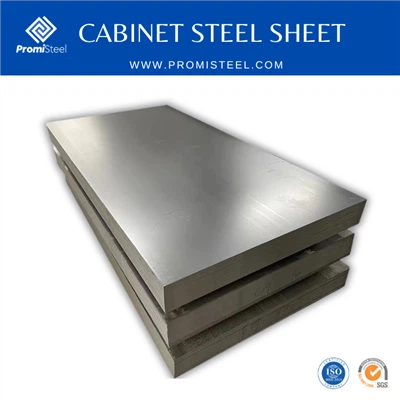


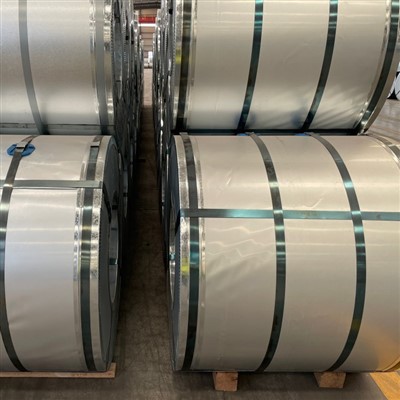


Why Choose us
Quality Products
Promisteel is known for delivering high-quality steel products that are durable and reliable. Quality is assured through rigorous testing and quality control measures.
01
Experienced Team
Promisteel has an experienced team of professionals who have excellent knowledge of the industry's market trends and customer needs.
02
Customer Service
Promisteel is committed to providing customers with exceptional customer service. You can expect prompt and efficient service from their team of experts.
03
Competitive Pricing
Promisteel offers competitive pricing on their steel products without compromising quality. This makes them an affordable option for customers.
04
Expertise
Ensure the service provider has the necessary skills and knowledge to handle your specific needs.
05
Key Differences Between Hot Rolled Steel and Cold Rolled Steel
Surface Quality
Hot rolled steel tends to have rough edges and surfaces that require decarburization or other treatments to prepare it for use in subsequent production operations. In contrast, cold rolled steel generally has a shiny and smooth surface that allows it to be used as-is in production operations.
Material Hardness
The cold rolled steel process produces steel with much higher strength and hardness than the steel produced by the hot rolling process.
Internal Stress
The greater material strength and hardness introduced by the cold rolled steel process comes with greater internal stresses. These stresses must be relieved before the material can be processed; otherwise, the final part or product may experience warping.
Cold Rolled Steel Grades & Properties
|
Structural Grades |
C |
Mn |
P |
S |
Al |
Si |
Cu |
Ni |
Cr |
Mo |
V |
Cb |
Ti |
N |
|
30,33,36,40 |
0.25 |
0.9 |
0.035 |
0.04 |
0.2 |
0.2 |
0.15 |
0.06 |
0.008 |
0.008 |
0.025 |
|||
|
36T2,45-80 |
0.25 |
1.35 |
0.035 |
0.04 |
0.2 |
0.2 |
0.15 |
0.06 |
0.008 |
0.008 |
0.025 |
|||
|
45T2 |
.02- 0.08 |
.30- 1.0 |
.03- .07 |
0.025 |
.02- .08 |
0.6 |
0.2 |
0.2 |
0.15 |
0.06 |
0.008 |
0.008 |
0.025 |
.01- .03 |
|
HSLA Grades |
C |
Mn |
P |
S |
Al |
Si |
Cu |
Ni |
Cr |
Mo |
V |
Cb |
Ti |
N |
|
45C1 |
0.22 |
1.35 |
0.04 |
0.04 |
0.2 |
0.2 |
0.15 |
0.06 |
0.005 |
0.005 |
0.005 |
|||
|
45C2 |
0.15 |
1.35 |
0.04 |
0.04 |
0.2 |
0.2 |
0.15 |
0.06 |
0.005 |
0.005 |
0.005 |
|||
|
50C1 |
0.23 |
1.35 |
0.04 |
0.04 |
0.2 |
0.2 |
0.15 |
0.06 |
0.005 |
0.005 |
0.005 |
|||
|
50C2 & 55C2 |
0.15 |
1.35 |
0.04 |
0.04 |
0.2 |
0.2 |
0.15 |
0.06 |
0.005 |
0.005 |
0.005 |
|||
|
55C1 |
0.25 |
1.35 |
0.04 |
0.04 |
0.2 |
0.2 |
0.15 |
0.06 |
0.005 |
0.005 |
0.005 |
|||
|
60C1 & 65C1 |
0.26 |
1.5 |
0.04 |
0.04 |
0.2 |
0.2 |
0.15 |
0.06 |
0.005 |
0.005 |
0.005 |
|||
|
60C2 & 65C2 |
0.15 |
1.5 |
0.04 |
0.04 |
0.2 |
0.2 |
0.15 |
0.06 |
0.005 |
0.005 |
0.005 |
|||
|
70C1 |
0.26 |
1.65 |
0.04 |
0.04 |
0.2 |
0.2 |
0.15 |
0.16 |
0.005 |
0.005 |
0.005 |
|||
|
70C2 |
0.15 |
1.65 |
0.04 |
0.04 |
0.2 |
0.2 |
0.15 |
0.16 |
0.005 |
0.005 |
0.005 |
|
Common Grades |
C |
Mn |
P |
S |
Al |
Si |
Cu |
Ni |
Cr |
Mo |
V |
Cb |
Ti |
N |
|
CSA |
0.1 |
0.6 |
0.03 |
0.035 |
0.2 |
0.2 |
0.15 |
0.06 |
0.008 |
0.008 |
0.025 |
|||
|
CSB |
0.02-.15 |
0.6 |
0.03 |
0.035 |
0.2 |
0.2 |
0.15 |
0.06 |
0.008 |
0.008 |
0.025 |
|||
|
CSC |
0.08 |
0.6 |
0.1 |
0.035 |
0.2 |
0.2 |
0.15 |
0.06 |
0.008 |
0.008 |
0.025 |
|||
|
BH |
0.012 |
1.5 |
0.12 |
0.03 |
0.2 |
0.2 |
0.15 |
0.06 |
0.008 |
0.008 |
0.025 |
|||
|
FSA |
0.1 |
0.5 |
0.02 |
0.035 |
0.2 |
0.2 |
0.15 |
0.06 |
0.008 |
0.008 |
0.025 |
|||
|
FSB |
0.02-.15 |
0.5 |
0.02 |
0.03 |
0.2 |
0.2 |
0.15 |
0.06 |
0.008 |
0.008 |
0.025 |
|||
|
DDS |
0.06 |
0.5 |
0.02 |
0.025 |
.01 |
0.2 |
0.2 |
0.15 |
0.06 |
0.008 |
0.008 |
0.025 |
||
|
EDDS |
0.02 |
0.4 |
0.02 |
0.02 |
.01* |
0.2 |
0.2 |
0.15 |
0.06 |
0.1 |
0.1 |
0.15 |

Applications for Cold Rolled Steel
Automotive Manufacturing
Cold rolled steel is widely used in the automotive industry to produce body panels, chassis components, and structural parts. Its high strength, excellent formability, and superior surface finish make it ideal for creating lightweight yet durable automotive parts.
Construction And Infrastructure
Cold rolled steel's strength, straightness, and dimensional accuracy make it an ideal choice for construction projects, including commercial and residential buildings, bridges, and infrastructure. It is also commonly used for roofing, siding, framing, and structural supports.
Appliances And Household Goods
Cold rolled steel is preferred for appliances such as refrigerators, dishwashers, washing machines, and ovens. It is used in the manufacturing of panels, cabinets, and various internal components due to its corrosion resistance, strength, and aesthetic appeal.
Furniture and shelving
Cold rolled steel is used in the production of furniture and shelving units. Its versatility allows for the creation of stylish and functional designs. Cold rolled steel furniture is known for its durability, stability, and modern aesthetics.
Industrial equipment and machinery
Cold rolled steel is found in industrial equipment and machinery, including manufacturing machinery, storage racks, and material handling systems. Its high strength, dimensional accuracy, and ease of fabrication make it suitable for these demanding applications.
Packaging and containers
Cold rolled steel is used in the manufacturing of packaging materials, drums, cans, and containers. Its ability to withstand impact and provide protection makes it a reliable choice for packaging various goods.
Energy sector
Cold rolled steel is utilized in the energy industry for the production of power transmission towers, pipelines, and wind turbine components. Its strength, ductility, and corrosion resistance are crucial for withstanding harsh environmental conditions.
Types of Cold Rolled Steel
Commercial Quality Steel
This is the most common type of cold-rolled steel and has a smooth surface finish.
Drawing Quality Steel
This type of steel has a higher degree of ductility and is suitable for deep drawing processes.
Deep Drawing Quality Steel
This type of steel has even higher ductility and is suitable for even deeper drawing processes.
Extra Deep Drawing Quality Steel
This is the highest quality type of cold-rolled steel and is suitable for the most complex deep drawing processes.

Structural steel
This type of cold-rolled steel is used in the construction industry for beams, columns, and other structural components.
High-strength low-alloy steel
This type of steel is used in applications where strength and weight are critical, such as in the automotive and aerospace industries.
Dual-phase steel
This type of steel has a unique microstructure that provides both high strength and good formability, making it suitable for stamping and forming processes.
Bake hardening steel
This type of steel has the ability to increase its strength during the manufacturing process, making it suitable for automotive body panels.
How to choose cold rolled steel
Determine The Required Strength:Cold rolled steel is widely used for its high strength and durability. Check the project specifications and determine the required strength for the application.
Consider The Grade Of Steel:Different grades of cold rolled steel have different properties and applications. Consult with a steel supplier to determine the appropriate grade for your project.
Evaluate The Surface Finish:Cold rolled steel typically has a smoother surface finish than hot rolled steel, making it more aesthetically pleasing for certain applications. Consider the desired surface finish for your project.
Check The Thickness:Cold rolled steel can be produced in different thicknesses. Determine the required thickness for your application and select a steel supplier that can provide the appropriate thickness.
Consider The Cost:Cold rolled steel is generally more expensive than hot rolled steel. Determine the budget for your project and select a steel supplier that can provide the required cold rolled steel at a reasonable price.
How to maintain cold rolled steel
Rust prevention
Take preventative measures when your project is new to avoid a possibly lengthy removal process afterward. Rusting cold rolled steel is a big issue; let’s take a look at some of the ways you can prevent rusting of steel surface.
Keep it dry
The most straightforward technique to prevent rust is to keep the steel clean and limit its contact with water. If you have a project, you'll maintain it indoors, ensuring the environment isn't too humid. Use a dehumidifier to store the steel in a moist environment, such as an unfinished basement.You can't avoid exposure to rain and snow if you have a fence, tank, or other projects that must sit outside, but you can maintain it as clean as possible. Wash off any debris, mud, or dirt regularly.
Keep scratches at bay
Steel scratches and pockmarks expose more of the surface to water and moisture. This exposure leads the steel to retain water for extended periods, increasing the likelihood of rusting. If feasible, keep sharp tools and heavy machinery away from your finished steel project.Consider cold-rolled steel for a project subject to a lot of abuse. Cold-rolled steel has a smoother surface and is less prone to be scratched than hot-rolled steel.
Use a protective coating
Metal tile for roof in metallic forming machine production line in factory. Cold rolled steel coils at the plant It is recommended to use a commercial rust prevention agent to make your steel more moisture-resistant. These products come in various formats, including wipes and aerosol sprays. The chemicals used for protection against rust are ideal for smaller projects like outdoor equipment, tools, and gates.Powder coating more oversized steel products is an option. These organic coatings come in vinyl, urethane, epoxy, nylon, and acrylic varieties and work by building a protective layer around the steel to keep moisture out.
About Us
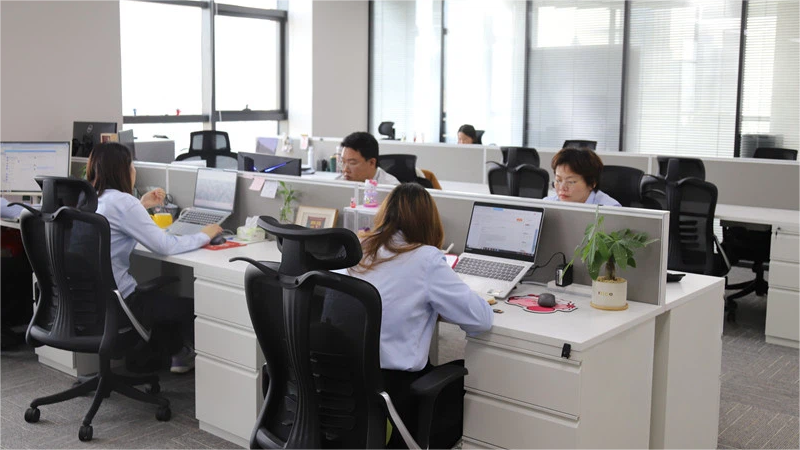
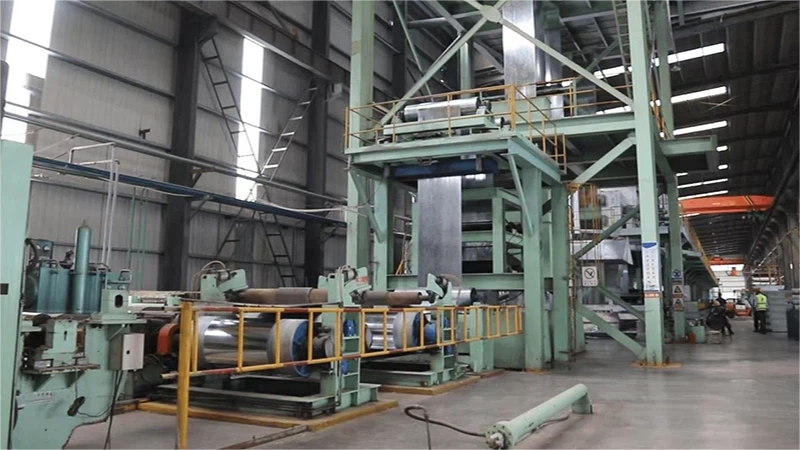
Established in 2015 and located in the Tianjin China, Promisteel, a subsidiary of Tianhe Group, is an international steel trading company with rich experience in exports. We have a stable supply chain from major domestic steel mills and a professional sales team, serving customers in more than 60 countries.
Our company provides a wide range of services to various industries including steel structures, household appliances, barrel manufacturing, shipbuilding, pipe manufacturing, gas tank storage, transformer manufacturing, kitchenware manufacturing, and food packaging. We are committed to offering high-quality and cost-effective products and services to our customers, and providing solutions to problems encountered by our customers in the long process of the international steel supply chain.

Our Certificates


