
 Español
 Türkçe
 Français
 عربي
عربي  dansk
dansk 한국어
한국어 Deutsch
 Việt Nam
 Italiano
 日本語
日本語 Português


Galvanized Steel
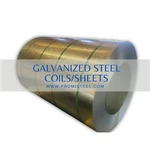
What is Galvanized Steel
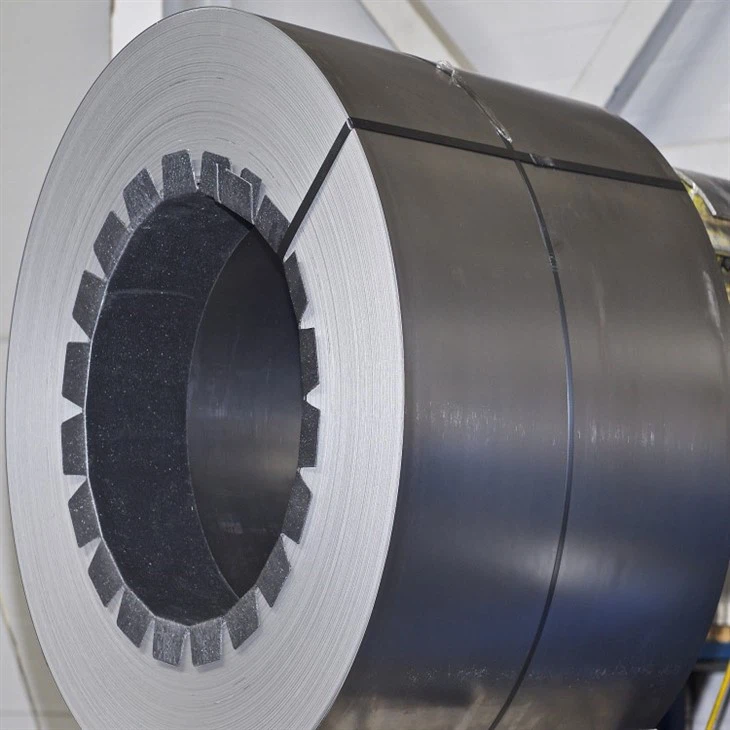
Galvanization or galvanizing is the process of applying a protective zinc coating to steel or iron, to prevent rusting. The most common method is hot-dip galvanizing, in which the parts are coated by submerging them in a bath of hot, molten zinc.
Benefits of Galvanized Steel
Lowest first cost
Galvanizing is lower in first cost than many other commonly specified protective coatings for steel. (The application cost of labour intensive coatings such as painting has risen far more than the cost of factory operations such as galvanizing.)
Less maintenance/Lowest long term cost
Even in cases where the initial cost of galvanizing is higher than alternative coatings, galvanizing is almost invariably cheapest in the long term (because it lasts longer and needs less maintenance). And, maintenance causes problems and adds to costs when structures are located in remote areas, and when plant shutdown or disruption to production is involved.
Long life
The life expectancy of galvanized coatings on typical structural members is far in excess of 50 years in most rural environments, and 20 to 25 years plus, even in severe urban and coastal exposure.
Reliability
Galvanizing is carried out to Australian / New Zealand Standard 4680, and standard, minimum coating thicknesses are applied. Coating life and performance are reliable and predictable.
Toughest coating
A galvanized coating has a unique metallurgical structure which gives outstanding resistance to mechanical damage in transport, erection and service.
Automatic protection for damaged areas
Galvanized coatings corrode preferentially to steel, providing cathodic or sacrificial protection to small areas of steel exposed through damage. Unlike organic coatings, small damaged areas need no touch up.
Complete protection
Every part of a galvanized article is protected, even recesses, sharp corners and inaccessible areas. No coating applied to a structure or fabrication after completion can provide the same protection.
Ease of inspection
Galvanized coatings are assessed readily by eye, and simple non-destructive thickness testing methods can be used. The galvanizing process is such that if coatings appear sound and continuous, they are sound and continuous.
Faster erection time
As galvanized steel members are received they are ready for use. No time is lost on-site in surface preparation, painting and inspection. When assembly of the structure is complete, it is immediately ready for use, or for the next construction stage.


Why Choose us
Quality Products
Promisteel is known for delivering high-quality steel products that are durable and reliable. Quality is assured through rigorous testing and quality control measures.
01
Experienced Team
Promisteel has an experienced team of professionals who have excellent knowledge of the industry's market trends and customer needs.
02
Customer Service
Promisteel is committed to providing customers with exceptional customer service. You can expect prompt and efficient service from their team of experts.
03
Competitive Pricing
Promisteel offers competitive pricing on their steel products without compromising quality. This makes them an affordable option for customers.
04
Expertise
Ensure the service provider has the necessary skills and knowledge to handle your specific needs.
05
Types of Galvanized Steel
Hot-dipped Galvanized Steel
Hot-dipped galvanizing uses an immersion technique whereby the steel is dipped in a bath of molten zinc. The duration of immersion in the bath determines the thickness obtained. A metallurgical bond is formed between the zinc surface and the steel.This bond provides the major difference between electroplating and hot-dipped zinc. Hot-dipping creates an intermediate alloy layer between the highly pure zinc and the steel. This intermediate layer provides a significant amount of the corrosion protection to the steel base material. The outer, pure zinc layer acts as a barrier to protect the steel and gives the metal its characteristic color and spangle appearance. The inner layer provides a transition zone that resists attack on the base steel by sacrificial action.
Electroplated Galvanized Steel
The electroplated galvanized steels have the pure zinc outer layer but lack the intermediate alloy layer that mixes the steel and zinc.Galvanized surfaces will lose the spangle and form a gray zinc oxide film with a slight tooth or fuzziness to them. Sometimes, streaks of red rust will develop on galvanized steel surfaces where the steel is no longer getting the benefit of the galvanic protection.
Pre-galvanizing
Also similar to the hot-dip galvanizing method, but performed at the very first stage of production. Pre-galvanizing is a process that involves rolling the sheet metal through a cleaning agent to quickly prime material for galvanizing. Then, the metal is passed through a pool of molten liquid zinc and is immediately recoiled. The primary advantage of this method is that coils of steel sheet can be rapidly galvanized on a large scale with a more unified coating than the traditional hot-dipped method.
What Industries Utilize Galvanized Steel


Wind & Solar Industries
Solar projects must have a continuous workflow once installed and any repairs/maintenance results in disruption to service (a.k.a. revenue loss). This means that hot-dipped galvanized steels are popular in solar projects for their corrosion protection. It is also popular for its ‘environmental’ friendliness because it does not produce emissions and ensures decades without maintenance. For example, it is often utilized in the agriculture industry because the equipment is susceptible to being easily corroded, creating a demand for tougher, more resilient equipment. Hot-dip galvanized steel provides corrosion protection that can often last for decades, even when exposed to the harsh environment of farming.
Automotive Industry
Though only used on luxury models up until the 1980s, the use of zinc-coated bodies for automobiles is now the norm in auto manufacturing. The 'body-in-white' of a car makes up about 80% of the body, all using galvanized steel. The rust -resistance of galvanized steel is also a good marketing tool for the automotive industry because it can provide ‘anti-rust warranties’ to customers.
Construction Industry
Whether for residential or commercial, the durability of galvanized steel has made it popular for over a century in the construction industry. It is also selected for construction because of its aesthetics; The 'shine' that galvanized steel provides gives it a contemporary feel and is popular in modern architectural designs. Also, it isn't just used for large structural pieces but things like fencing, gutters, rails, tubing, poles, and much more.
Telecommunication Industry
Phone lines are not an easy maintenance job, they are tall and often difficult to reach. Hot-galvanized steel can be used on phone wiring and equipment boxes which decreases the risk of damage and need for maintenance at all.
All About Corrosion
Grime, chemicals, moisture, or salt can corrode metal. Corrosion occurs when the atoms in the surface of the metal oxide or lose oxygen ions to the corroding element. Most metals oxidize easily to oxygen-rich environments such as air or water.By galvanizing steel, metal manufacturers prevent those corroding substances from reaching the metal underneath the zinc. Instead of the steel corroding, the zinc corrodes. Sometimes, an element called chromate is added to the zinc, which oxidizes the zinc faster. This is called sacrificial protection.
Common Grades
Many different grades of steel can be galvanized. A53 steel pipe and A595 steel pipe are two of the mostly common grades.But cast steel, hot-rolled steel, cold-rolled steel, and even some grades of stainless steel all qualify for galvanization. In general, the presence of iron in any metal makes it a candidate for a protective zinc coating.
Common dimensions
Galvanized steel pipe comes in a variety of dimensions and sizes. When you buy it, you'll want to measure its diameter by nominal size. To find nominal size, measure the inside diameter of the pipe. Most nominal pipe sizes run between ¼ and 2 ½ inches.If you do not have access to a cut end to measure inside the pipe, you can estimate the nominal size of a pipe by measuring its outside. Keep in mind, however, that you'll have to account for wall size, which may be different from pipe to pipe.The rule of thumb says to measure the outer circumference and divide by pi (3.14). If you have a standard pipe, subtract ¼ inch for the wall. For an extra strong pipe, subtract ⅜ inch.
Chemical composition
The chemical composition matters because the metal has to bond at a chemical level with the zinc alloy that coats it. If a steel pipe has a silicon content above 0.25%, it will cause the zinc-alloy layer to grow very fast and eventually consume the unadulterated layer of zinc.In general, galvanized steel should have a carbon content of less than 0.25%, phosphorus of less than 0.05%, and manganese of less than 1.3%. Silicon should run between 0% and 0.25%.
● Avoid long periods of exposure of your galvanized steel product to environments where the pH is below 6 and above 12. Outside the range of pH 6-12 the galvanized coating can suffer greater corrosion than normal.
● Avoid direct contact of your galvanized steel product with dissimilar metals, such as brass and copper, particularly in corrosive environments. Where dissimilar metals are to be used together ensure that there is an insulator between the dissimilar metal and the galvanized product.
● Do not constantly abrade clean your galvanized product and, where possible, avoid abrasive washing of your galvanized product altogether. One of the ways in which galvanizing protects steel from corrosion is by the development of a thin barrier film of insoluble zinc corrosion products (known as a patina) on the outer surface of the galvanized steel through exposure to the atmosphere. Abrasive cleaning will wash away this protective patina and the galvanized article will have to build up this barrier protection again, consuming more of the zinc. Constant abrasive cleaning will consume the zinc more quickly and therefore may reduce the life of your galvanized steel product.
● Galvanizing may be cleaned using a water-based emulsifier, alkaline-based cleaners with a pH of 12 or lower or organic solvents. Then rinse the area with fresh water and simply wipe clean with a soft cloth. Please consult the your galvanizer or the GAA if you have any concerns in regards to cleaning your product.
● For galvanizing product situated in a highly corrosive environment eg. coastal, heavy industrial, etc it is recommended the product be rinsed with potable water on a regular basis, particularly under sheltered conditions (i.e. not exposed to rain and sun).
● Avoid long term storage of any galvanized product in damp and poorly ventilated conditions. Ensure the storage location is dry and there is effective ventilation.
● If there is physical damage to the galvanized coating of the product (e.g. coating is chipped or fabrication after galvanizing has taken place), it is recommended that the damaged area be repaired in accordance with AS/NZS 4680. See Repairing Hot Dip Galvanizing or talk to the GAA

Factors That Rust and Corrode Galvanized Steel
● Relative humidity above 60%
● Sodium chloride (salt) in water or air
● Wet or soaked environments
● Increase in temperature when combined with corrosive factors like humidity and industrial pollution
● Acids; particularly sulfur acids produced by (1) hydrogen sulfide - from volcanoes, hot springs, natural gas, and sewer gas - and (2) sulfur dioxide pollution in the urban atmosphere
● Strong Alkalis
● Plasters and cements (especially Portland cements) containing chlorides and sulfates
● Acid rainwater runoff from roofs with wood shingles
● Moss and lichen
● Contact between galvanized items and copper, pure iron, or steel causes galvanic corrosion. Galvanic (electrochemical) corrosion is an electrolytic corrosion reaction between the zinc coating and dissimilar metals when in the presence of an electrolyte such as rain, dew, fog or condensation.
About Us
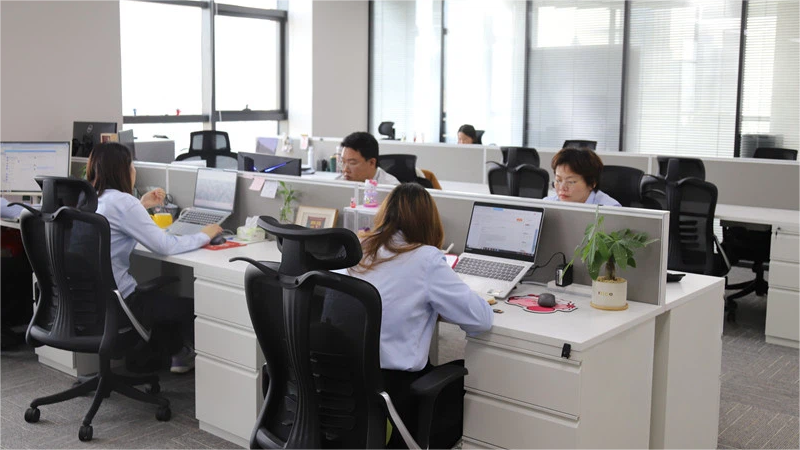
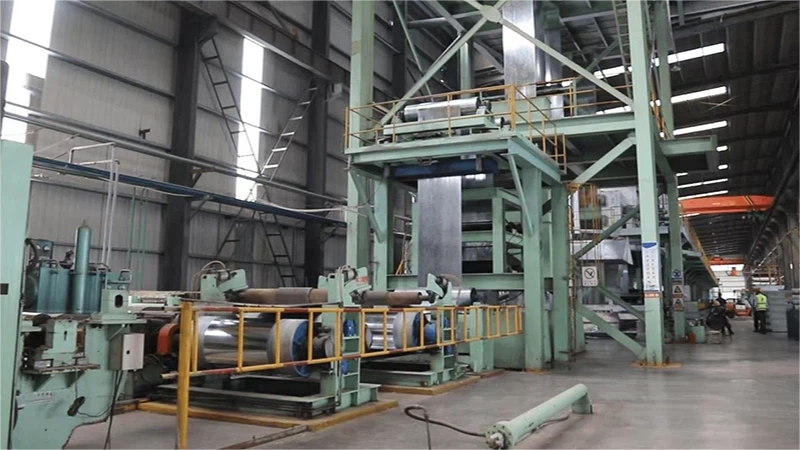
Established in 2015 and located in the Tianjin China, Promisteel, a subsidiary of Tianhe Group, is an international steel trading company with rich experience in exports. We have a stable supply chain from major domestic steel mills and a professional sales team, serving customers in more than 60 countries.
Our company provides a wide range of services to various industries including steel structures, household appliances, barrel manufacturing, shipbuilding, pipe manufacturing, gas tank storage, transformer manufacturing, kitchenware manufacturing, and food packaging. We are committed to offering high-quality and cost-effective products and services to our customers, and providing solutions to problems encountered by our customers in the long process of the international steel supply chain.

Our Certificates


