
 Español
 Türkçe
 Français
 عربي
عربي  dansk
dansk 한국어
한국어 Deutsch
 Việt Nam
 Italiano
 日本語
日本語 Português


Steel Pipes
What is Steel Pipes
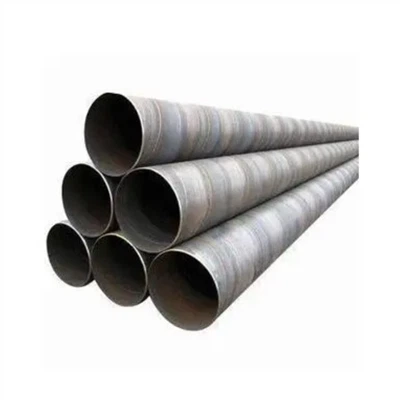
Steel pipes are cylindrical tubes made from steel that are used many ways in manufacturing and infrastructure. They’re the most utilized product made by the the steel industry. The primary use of pipe is in the transport of liquid or gas underground—including oil, gas, and water. However, pipes of varying sizes are used throughout manufacturing and construction. A common household manufacturing example is the narrow steel pipe that runs the cooling system in fridges. Construction uses pipes for heating and plumbing. Structures can be built using steel pipe of varying sizes, such as handrails, bike racks, or pipe bollards.
Benefits of Steel Pipes
Durability
Steel pipes are much more durable than pipes or tubes made out of other materials. Even without all the other benefits attached to using them, the strength of steel pipe makes it the best option for most projects. its strength enables it to withstand vibrations, shock and high pressure. Unlike other metals, steel will bend rather than break under extreme conditions, helping to prevent spills or leaks.
Rust-proof
Unlike other metals that rust or corrode easily, steel tubes are rust-proof and are resistant to other chemical reactions that can cause corrosion. This helps them to be more maintenance-free than other types of tubes and pipes, lasting for many years beyond installation.
Easy Installation
Custom steel pipes can be created to any height, width and strength required to meet the unique specifications of your job. They can also be easily modified on-site, making them easy to install. Any maintenance or modifications that are needed after installation can be done quickly and easily because steel is a very easy metal to work with in that manner.
Greater capacity
Steel pipe is considerably stronger than other types of metal pipes. Itcan be made larger or thinner without compromising strength, quality or durability. This makes steel pipe more affordable and adaptable for specific needs or budgets.
Environmentally-friendly
Believe it or not, using steel is a great way to look out for the local environment. Approximately 70% of all the steel used in North America gets recycled each and every year. Steel can be recycled frequently without losing its quality and strength. Mid City Steel in Westport, MA specializes in steel pipe, giving customers the best quality product at an affordable price.




Why Choose us
Quality Products
Promisteel is known for delivering high-quality steel products that are durable and reliable. Quality is assured through rigorous testing and quality control measures.
01
Experienced Team
Promisteel has an experienced team of professionals who have excellent knowledge of the industry's market trends and customer needs.
02
Customer Service
Promisteel is committed to providing customers with exceptional customer service. You can expect prompt and efficient service from their team of experts.
03
Competitive Pricing
Promisteel offers competitive pricing on their steel products without compromising quality. This makes them an affordable option for customers.
04
Expertise
Ensure the service provider has the necessary skills and knowledge to handle your specific needs.
05
How Is Steel Pipe Specified?
Nominal pipe size
Pipe size is quoted as a “Nominal Pipe Size” or NPS. The origin of the NPS numbers for smaller pipes (< NPS 12) is different to the origin for larger diameter pipes. However, all pipes of a specific NPS number have the same external or outer diameter (OD). The internal diameter will vary depending on the wall thickness of the metal. The reason for this is so that the same structural supports can be used for all piping of a specific NPS number regardless of the wall thickness.
Schedules
Steel pipe schedules are a way to describe the wall thickness of the pipe. This is a critical parameter as it is directly related to the strength of the pipe and the suitability for specific applications. A pipe schedule is a dimensionless number and is calculated based on the design formula for wall thickness, given the design pressure and allowable stress.Examples of schedule numbers are as follows: 5, 5S, 10, 20, 30, 40, 50, 60, 80, 100, 120, 140, 160, STD, XS, and XXS—with the most common being schedules 40 and 80. As the schedule number increases, the wall thickness of the pipe increases. The schedule number of a pipe therefore defines the internal diameter, as the OD is fixed by the NPS number.
Pipe weight
The weight of a pipe can be calculated based on the NPS, which defines the outer diameter, and the schedule, which defines the wall thickness. The formula uses the theoretical weight of steel of 40.8 pounds per square foot per 1 inch of thickness to determine the constant.
7 Most Common Uses for Steel Pipe
The Construction Industry
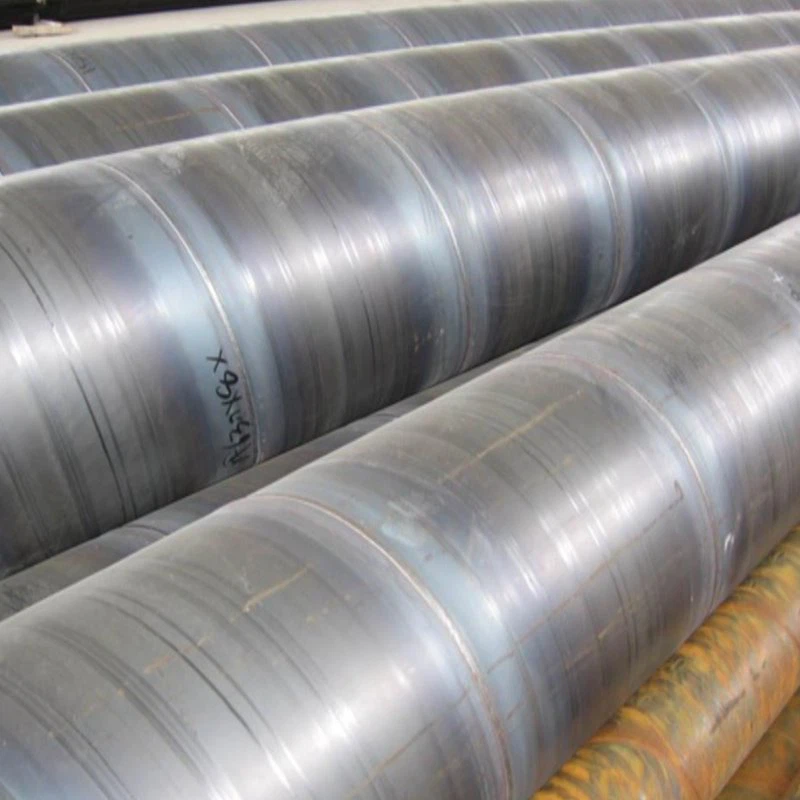
Since steel pipe is both durable and lightweight, it's commonly utilized by the construction industry in commercial and residential buildings, as well as in industry sectors including power, water, sewer, manufacturing and more. Steel pipe is also a top choice in the construction industry because it's resistant to rust and corrosion, meaning that it won't require frequent repairs or replacement. This is especially important in water, plumbing and electrical systems, since leaks or breaks in the steel pipe can be both dangerous and costly.
The Oil And Gas Industry
Steel pipe is ideal for use in extreme conditions such as corrosive environments, low and high temperatures and high pressure. For this reason, steel pipe is prevalent in the oil and gas industry, especially in pipes like gathering lines (the tubes that transport oil or gas from the producing area to a storage facility or larger main pipeline), and pipe trunk lines (the welded, large-diameter steel pipes that are used to transport natural gas over long distances). Because of steel pipe's durability and versatility, it can stand up to the unique needs of the oil and gas industry.
The Shipbuilding Industry
The strength of steel makes it a great option for ship building since it withstands vibrations, shock and high pressure. Unlike other metals, steel with bend rather than break in extreme conditions, which means it's less likely to crack or leak. In the shipbuilding industry, steel pipe is designed and manufactured for the boilers, super heaters and pressure systems of a ship.
The Textile Industry
The versatility of steel pipe makes it a popular choice in the textile industry for the production of bale openers, mixers, carding machines, spinning machines, winding machines and texturing machines.
The Agricultural Industry
Steel pipe is frequently used in agricultural fittings due to its durability and ability to withstand pressure. Steel is also sometimes mixed with carbon to create a more lightweight yet sturdy agricultural fitting. Farmers and other agricultural organizations use steel pipe in dozens of applications, including tractor engines, grain elevators, field drainage systems, fertilizer applications, vent pipe systems and more.
Industrial Applications
Steel pipe is a common choice in manufacturing facilities, warehouses and other industrial locations because it's rust-proof and doesn't corrode, affording facilities a lifetime of dependable use. Round steel tubing is often used to transport liquids or gas from one area of an industrial facility to another, as well as in the construction of industry structures itself.
Additional Applications
In addition to the above listed, steel pipe is commonly found in:
• Power plants
• Diary and food processing facilities
• Modern architecture
• Chemical facilities
• Water treatment facilities
• Synthetic fiber production
• Desalination
• Energy industries

What Are Some Ways That Steel Tubes or Pipes Are Used
Water
Because steel is both rust and corrosion proof, it is an excellent choice for the delivery of domestic water. Its strength and durability help it to last many years underground despite pressure, shock and vibration.
Construction
Many contractors and companies now use steel tubing in building foundations and framing systems. It is also used to create handrails, poles, fences, scaffolding, chimney pipes, exhaust pipes and temporary structures.
Utilities
Steel pipes are used to encase utility lines underground and for Electric power, gas lines, water mains The durability and strength of steel pipes and tubes make them an excellent choice for protecting sensitive lines.
Extreme Utilities
Steel pipes are also a great choice for extreme utilities, such as hot water lines and gas transportation. Black steel pipes are the best option in this type of situation, as they feature an iron oxide coating on the outside in addition to the strength and durability of the steel tubing on the inside.
Sewage
Again, because of its anti-corrosive properties, steel tubing is ideaL for underground sewage. Your best bet is to choose galvanized corrugated steel tubing for this purpose. The ripples found within the galvanized corrugated steel tubing increases its ability to handle extreme levels of pressure, which are found regularly in underground sewage systems.
Steel Pipe Grades – What are They Used for

A252
The A252 grade specification governs welded and seamless steel pipe used for piling purposes. In this instance, it acts as a load bearing object or as a shell for concrete piles. A252 pipe can be broken down into three grades: Grade 1, Grade 2, and Grade 3, each of which has a different yield and tensile strength .Yield and tensile strength measurements indicate how strong the steel is and how much pressure the steel can withstand. This is particularly important for pile driving. The strongest grade (Grade 3) is typically the preferred grade for piling purposes.
A252 Grade Tensile Strength Yield Strength
• Grade 1 50,000 (345) 30,000 (205)
• Grade 2 60,000 (415) 35,000 (240)
• Grade 3 66,000 (456) 45,000 (310)
A500
The A500 grade specification covers cold-formed welded and seamless carbon pipe used for structural purposes. This pipe specification is broken down into multiple grades: Grade A, B, C, and D, each with varying yield and tensile strengths (see below). Grades B & C are the most common for structural purposes.In most cases, A500 material is used for the welded, riveted, or bolted construction of bridges or buildings, and for general structural purposes.
• A500 Grade Tensile Strength Yield Strength
• Grade B (Round) 58,000 (400) 42,000 (290)
• Grade C (Round) 62,000 (425) 46,000 (315)
A53
Grade A53 pipe is the standard specification for black and hot-dripped galvanized pipe. This material can be either welded or seamless steel pipe. A53 pipe also comes with various yield and tensile strengths (see below). The intended purpose of this material is for mechanical and pressure applications, including for steam, water, air, and gas line purposes. ASTM A53 can be formed and welded. This pipe is all-purpose and can be used in generator plants, refineries, compressor stations, natural gas transmission, and steam conduction (USS Tubular Website).A53 pipe is subject to tension bend and flattening tests, as well as a hydrostatic test. In addition, the material must also pass a non-destructive electric test. A53 Grade pipe undergoes the galvanization process, which means the pipes are dipped into molten zinc to coat the pipe with a protective layer that will not rust. This process helps prevent aging and rusting of the steel since zinc deteriorates much slower than steel.
A53 Grade Tensile Strength Yield Strength
• CW 25,000 45,000
• Grade A 30,000 48,000
• Grade B 35,000 60,000
A589
Grade A589 pipe is seamless or welded pipe used for water wells. This specification of pipe is governed by the American Society for Testing Materials and covers four specific types of plain end or threaded and coupled carbon steel pipe. The four main types are as follows: type one, drive pipe; type two, water well reamed and drifted pipe; type three, driven well pipe; and type four, water well casing pipe.
A589 Grade Tensile Strength Yield Strength
• Grade A 30,000 48,000
• Grade B 35,000 60,000

Types of Steel and Other Metal Types Used in Piping
Stainless Steel Pipe Grades
When it comes to moving liquids around within a piping system, few materials are as valuable or widely-used as stainless steel. This product has fantastic corrosion resistance, and is also resistant to thermal and electrical conductivity. It’s extremely strong, especially compared to its light weight, and is easy to fabricate and clean.The most common grade of stainless steel chosen here is grade 304, though others may also be used. This grade is non-magnetic and can be hardened using cold working.
Galvanized Steel
Galvanized steel, on the other hand, is a type that’s coated with zinc to add to its corrosion resistance capabilities, as well as buildup of mineral deposits. Galvanized pipes are the single most common types found in plumbing situations, as they tend to cost a bit less than stainless options and have comparable strength and often an even longer lifespan.
Black Steel And Black Iron
Black steel pipe is similar to galvanized steel in that it's protected by a coating, only in this case the coating in question is an iron-oxide that's dark in color. This is a different kind of protection than galvanization, and black steel pipe is often used for transporting water, gas, steam and air. One frequent use is within sprinkler systems, for instance, because it resists heat very well.Now, it's vital not to confuse black steel piping with black iron piping. The latter was more common back before the 1960s, a form of steel that's more malleable and is made with different materials. Black iron pipe, however, is not corrosion resistant and therefore is not good for most water-based applications.
Brass Options
Finally, older brass materials might be used for certain water supply or drain lines. It’s great for corrosion resistance and does fine if a lead-free alloy is included, and also does well with a tight seal that prevents leaks.
Which type of steel pipes are you looking for
Before buying anything, you need to determine the exact classification of steel pipes you are in need of and what you are going to do with the pipes. As listed above, there are 04 types of steel pipes with different coating and characteristics. Carbon steel pipes are the least expensive pipes to get while stainless steel pipes do not rust. Galvanized steel pipes are coated with several layers of zinc which enhances the corrosion resistance and strength while black steel pipes can be used in many industries such as construction, fire fighting, fence making, scaffoldings…
The grade of the steel pipes
Another step to get the correct steel pipes is to determine the grade of steel you need. You can base on international standards to pick out the most suitable steel pipes for the projects. The ASTM and ASME standards usually have piping specs that help you a lot in showing you which grades will do the best job. However, there are still differences between these two standards, which resulted from different testing methods applied. That's why you should check the specs carefully when choosing the right grade of steel pipes.
Seamless or welded steel pipes
The customization options of steel pipes are also an important factor to consider when buying steel pipes. Of which, there are the 02 most popular options of customization: seamless or welded. The decision is mostly based on your choice of what would best suit your needs. However, most welded pipes are more cost-effective than seamless, and it becomes a huge thing to consider when you buy in bulk.
Quantity
Whatever you buy, buying in bulk always gets you a better price. Besides, you might have the added benefit of mixing steel pipes length and size or getting customize-to-need pipes; which you will never have once you buy in small quantities. Besides, if you purchase pipes at full length, there might be extra benefits from manufacturers. To get this, you should pay attention to reputed manufacturers' websites to know where the most savings are.
Pipe size
Specifying the steel pipes' size might be a problem since it often contains plumbing terminology which is not familiar to most buyers. It's essential to know the fittings and size before ordering any steel pipes. You can research the fittings and sizes based on manufactures' charts, or consult with the sellers. If you buy in bulk, it's easy to get steel pipes customized to your needs and wants.
Why does coating matter
Steel is strong already, but the coatings give out additional properties as it protects the steel itself from corrosion and harsh weather conditions. Hence, steel pipes with coatings are highly recommended when you are finding ones that are strong and durable. Others' based on your needs and budget. Black steel pipes are the alternative option for galvanized steel pipes if you just need steel pipes to work on other projects such as fences, barricades… Meanwhile, galvanized steel pipes are strong and protect perfectly against corrosion and do the job better in transporting water.
About Us
Established in 2015 and located in the Tianjin China, Promisteel, a subsidiary of Tianhe Group, is an international steel trading company with rich experience in exports. We have a stable supply chain from major domestic steel mills and a professional sales team, serving customers in more than 60 countries.
Our company provides a wide range of services to various industries including steel structures, household appliances, barrel manufacturing, shipbuilding, pipe manufacturing, gas tank storage, transformer manufacturing, kitchenware manufacturing, and food packaging. We are committed to offering high-quality and cost-effective products and services to our customers, and providing solutions to problems encountered by our customers in the long process of the international steel supply chain.


Our Certificates


