
 Español
 Türkçe
 Français
 عربي
عربي  dansk
dansk 한국어
한국어 Deutsch
 Việt Nam
 Italiano
 日本語
日本語 Português


Coated Steel
What is Coated Steel
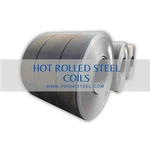
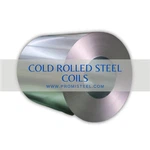
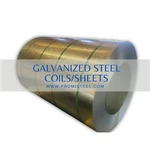
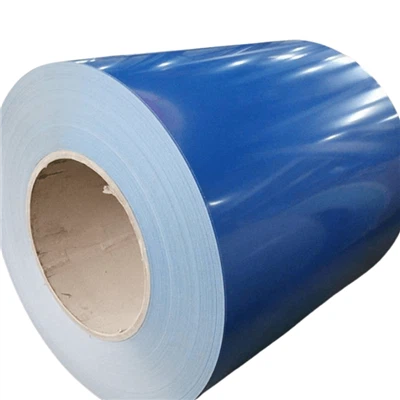
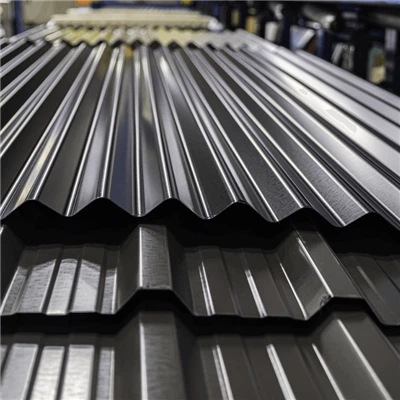
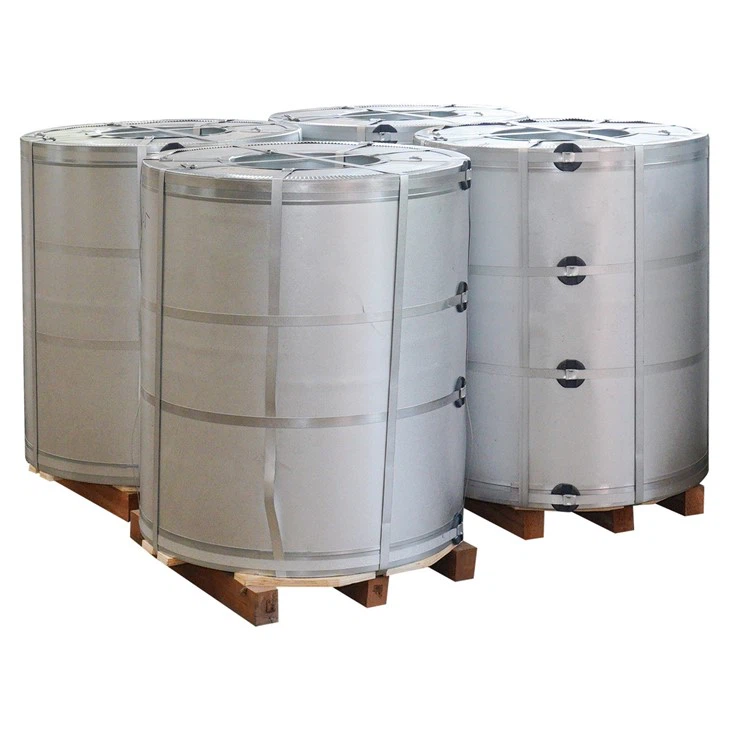
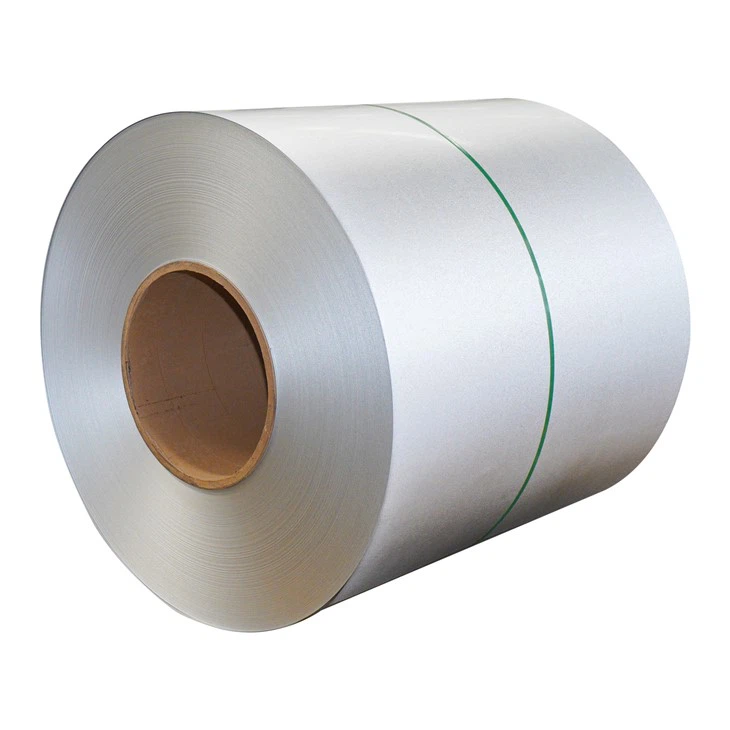
Coated steels are steel sheets that have a metallic and/or non-metallic coating to prevent rust and corrosion that humidity and contamination can cause on the steel. Coated steel has an extra layer of metal, paint, or both to protect it from rust and wear.
Benefits of Coated Steel
Protection
Coated steel is great for corrosion protection which is why it is used in industries where equipment is exposed to moisture. This includes marine environments, offshore rigs, and anywhere else where there is a high risk of corrosion. This process works by applying a coat made of a metal that does not corrode easily.
Durability
The use of metal coating on surfaces and objects often helps to make the objects a lot more durable than they otherwise would be. Heavy machinery that is exposed to a high risk of wear and tear is typically coated with a metal coating. By creating a barrier between the surface and the elements, the metal coating helps to reduce wear and tear and increases the lifespan of machinery.
Aesthetics
Coated steel can often help to improve the aesthetic appeal of an object. This is because metal coating often creates a glossy or matte finish which improves the look of an object. This is one of the reasons why metal coating is often used for facades, high-value furniture, and objects where the finish is important. Metal coatings are also used in the arts for precisely this purpose. It is common to find this process being applied to sculptures in order to enhance their looks. An additional advantage of using metal coating for such an application is that the sculpture is also protected from the effects of rain and wind.
Better Performance
Coated steel is often used to improve the performance of objects. For example, by coating objects with a particular type of metal coating, one can improve electrical conductivity as well as thermal conductivity. This type of coating is usually found in the automotive industry. Metal coating can help improve engine performance.
Cost-Effective
Coated steel is one of the most cost-effective methods of protecting surfaces. This is part of the reason why it is popular across many different industries. Not only it is cost-effective to apply but it can also help reduce costs for a company in other ways. For example, by protecting machinery and surfaces from corrosion, metal coating helps to improve the life of such objects and significantly reduces the cost of maintenance. Using metal coating also leads to less downtime as machines are less likely to break down. This way the productivity of the entire facility is improved.
Eco Friendly
The use of coated steel helps to protect the environment in many different ways. The first is that by applying metal coating on objects, one extends the life of such machinery. This in turn means that there is less landfill as machinery is used for longer periods than would be typically the case. The process of applying a metal coat on an object is also relatively easier and more eco-friendly than most other approaches.




Why Choose us
Quality Products
Promisteel is known for delivering high-quality steel products that are durable and reliable. Quality is assured through rigorous testing and quality control measures.
01
Experienced Team
Promisteel has an experienced team of professionals who have excellent knowledge of the industry's market trends and customer needs.
02
Customer Service
Promisteel is committed to providing customers with exceptional customer service. You can expect prompt and efficient service from their team of experts.
03
Competitive Pricing
Promisteel offers competitive pricing on their steel products without compromising quality. This makes them an affordable option for customers.
04
Expertise
Ensure the service provider has the necessary skills and knowledge to handle your specific needs.
05
Coating Types of Coated Steel
Zinc Coatings
Zinc coatings are one of the most popular and affordable types of metal coatings. They are commonly used to prevent corrosion and rusting of ferrous metals, especially steel. Zinc coatings can be applied through various methods, including hot-dip galvanizing, electroplating, and zinc-rich paint. The coating forms a protective layer that prevents oxygen and water from corroding the metal surface. This type of coating is also aesthetically appealing, and they can last for several years without requiring significant maintenance.
Aluminum Coatings
Aluminum coatings are another popular type of metal coating, especially in the automotive and aerospace industries. They are lightweight and offer excellent corrosion resistance, making them ideal for use in harsh environments. Aluminum coatings can be applied through various methods, including electroplating, spraying, and powder coating. They provide a smooth and shiny finish, making them suitable for aesthetic applications.
Nickel Coatings
Nickel coatings are a sought-after choice for industries that require high wear and corrosion resistance, such as the aerospace, marine, and oil and gas industries. Nickel coatings can be applied through electroplating or thermal spraying, and they provide a hard and durable surface that resists abrasion, corrosion, and oxidation. They also provide excellent adhesion, making them suitable for use with various substrates.
Titanium Coatings
Titanium coatings are a relatively new type of metal coating that offers unique advantages over other coatings. They are commonly used in the medical, aerospace, and automotive industries, where high wear and corrosion resistance are essential. Titanium coatings can be applied through physical vapor deposition or ion plating, and they provide excellent adhesion and high hardness.
Chrome Coatings
Chrome coatings are a type of metal coating used in the automotive and aerospace industries. They offer excellent wear and corrosion resistance, making them ideal for use in harsh environments. Chrome coatings can be applied through electroplating, vacuum deposition, or spraying, and they provide a shiny and reflective finish. Additionally, chrome coatings can improve the appearance of metals and enhance their durability. However, one of the disadvantages of chrome coatings is that they can be toxic and hazardous to apply, requiring careful handling and disposal.
Ceramic Coatings
Ceramic coatings are a well-liked choice for industries that require high-temperature resistance, such as the aerospace, automotive, and energy industries. They provide a hard and durable surface that resists wear, abrasion, and corrosion, making them ideal for use in harsh environments. Ceramic coatings can be applied through thermal spraying or chemical vapor deposition, and they provide excellent thermal insulation and chemical resistance. Additionally, ceramic coatings can improve the performance of metals by reducing friction and enhancing their electrical conductivity.
What is The Purpose of Coating Coated Steel
Increases urability
When the coating is applied to the outer surface of an item, it, in turn, changes the surface properties of the item. If the item didn’t have the coating, it wouldn’t be nearly as durable or long-lasting.
Prevents rust formation
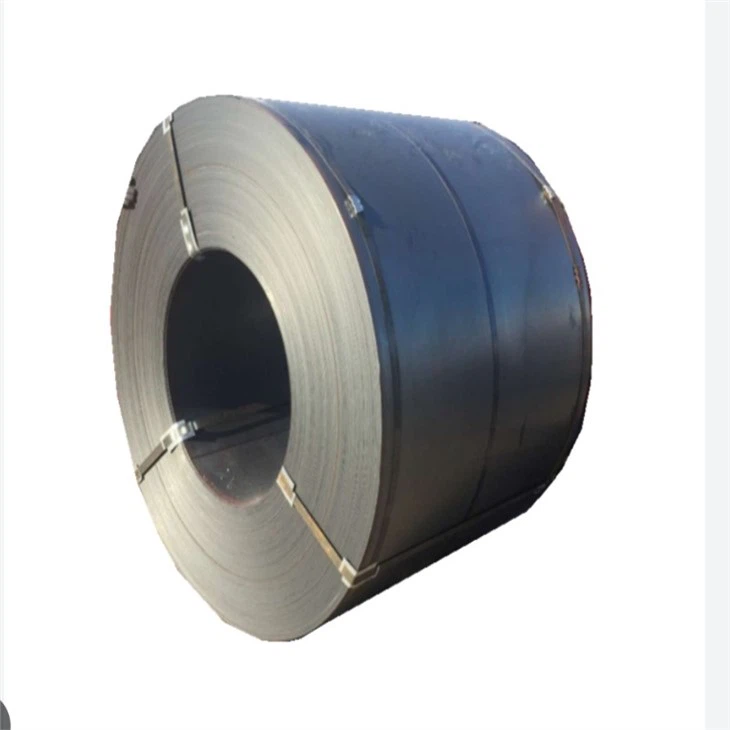
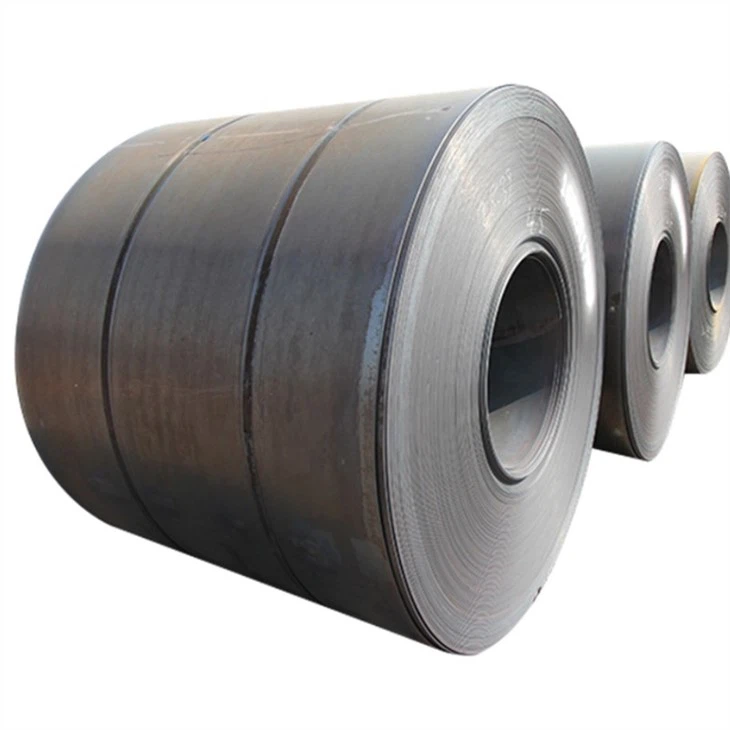
Specifically, metal coatings help to prevent oxidation and rust from occurring on the metal object. Liquids and chemicals can quickly take a toll on the durability and longevity of the product.
Increases load-bearing capabilities
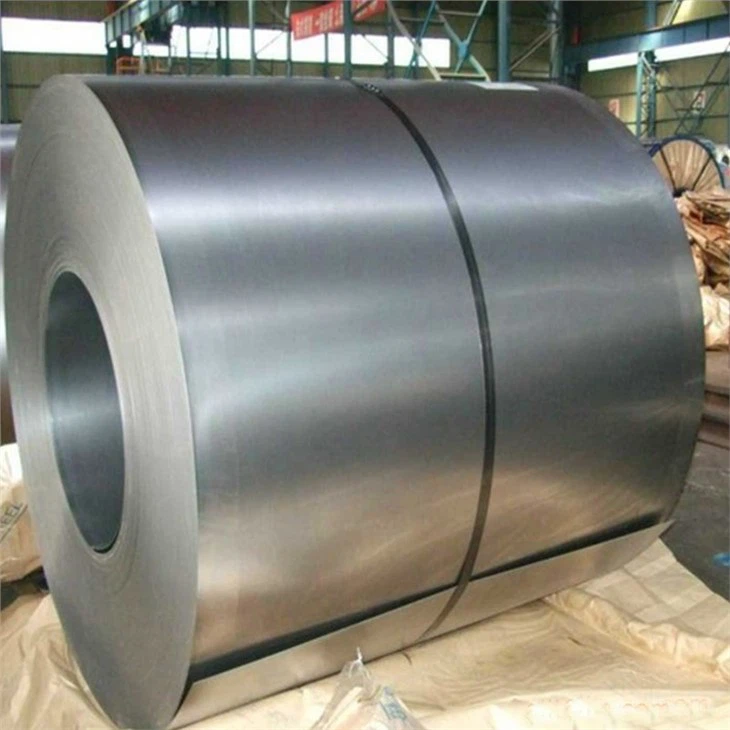
Not only do metal coatings help to provide a durable and corrosion-resistant layer to the product, but they can also increase the load-bearing capability of the product. This means that metal coatings can help increase the load-bearing capabilities in the products they’re on, allowing them to be used in a huge range of applications.

Minimizes friction
The extra layer of coating provides a protective layer that prevents the amount of friction created between two moving parts. This is especially beneficial in protecting parts that require a ton of constant movement.
Eases assembly and disassembly
With the reduction in friction comes an easier time assembling and disassembling products from one another. This helps to simplify the cleanup process and eliminate any non-stick characteristics of the original product.
Metal coating process
There are four main ways in which metal coatings are applied to different surfaces, all of which we will cover below. The metal coating process may consist of hot-dip galvanizing, thermal spraying, electroplating, and sherardizing.
Thermal Spraying Process for Coated Steel
Electric wire arc
This type of thermal spraying process is similar to the process used in wire arc welding systems. There is a wire coating material that is electrically charged. From there, it is contacted creating an arc while small molten droplets of metal wire are sprayed directly onto the substrate. This is achieved by using a high-velocity air stream to shoot the material out. Electric wire arc spray coatings are inexpensive and can be used for many different metals. Zinc, aluminum, copper, and even metal alloys such as stainless steel all react well to electric wire arc spray coating. This process also allows for changes to achieve the ideal coating thickness and texture.
Flame spray
Flame spray is also referred to as acetylene combustion spray, and it is a technique that was developed over a century ago. It can be in either wire or powder form, and it mimics the process of using a welding torch, but it also can add a high-velocity air stream to further propel the substance onto the substrate. It's not uncommon for flame spray coatings to fuse after they have been applied to increase the strength of the bond and to increase the coating density.
Plasma spray
Plasma spraying is also referred to as a non-transferred arc, and it makes use of inert gas that is fed through an electrode. This induces the gas's plasma state, allowing the gases to release from the gun apparatus and revert to their normal state. As you can imagine, a huge amount of heat is present for this to work. The coating material starts as a powder and as it is injected into the plasma flame, it is shot onto the substrate. Examples of plasma spray coatings include ceramic coatings as they have high melting temperatures. Ceramic coating examples include titanium oxide, aluminum oxide, chrome oxide, and zirconia.
High-velocity oxy-fuel (HVOF)
The final process is HVOF, and it uses combusted oxygen combined with a group of ignitable gases such as hydrogen, propylene, or propane. This process uses the basic principles of combustion, however, there is a spray gun with a unique design. The HVOF spray gun is designed to produce both higher flame temperatures and higher velocities to create more kinetic energy. This added energy helps to produce an even stronger bond and create a stronger metal coating. This process is typically used for metals that have a high melting temperature such as chrome carbide or tungsten carbide.
How to Protect Powder Coated Steel and Other Metals
Clean Regularly
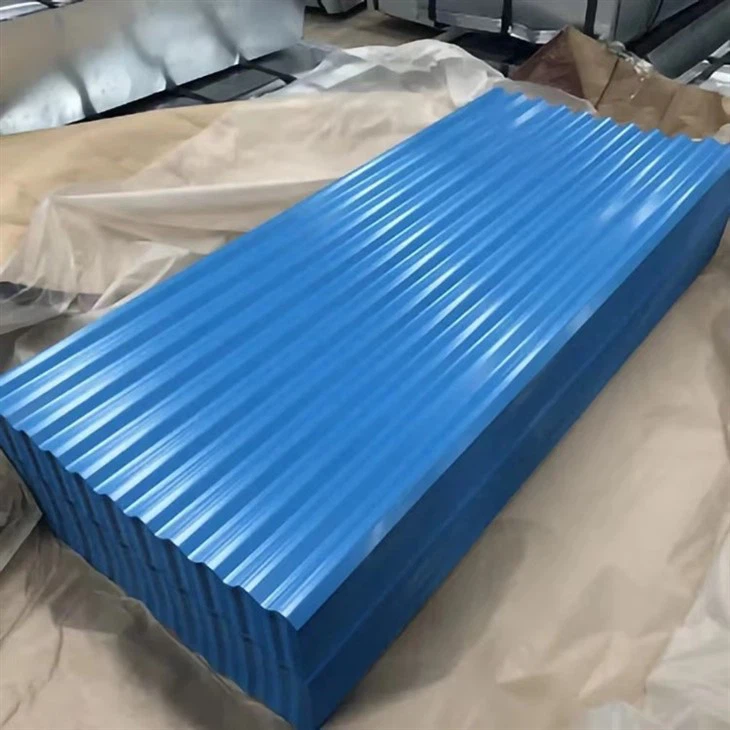
When cleaning powder coated steel, be sure to stay away from harsh chemical cleaners, as they may damage the coating. Once the finish is damaged, it will be more vulnerable to fading and staining. It's best to clean powder coated steel with mild soap and a soft cloth or brush. You might also use a pressure washer on a low setting with filtered water.
Use Wax
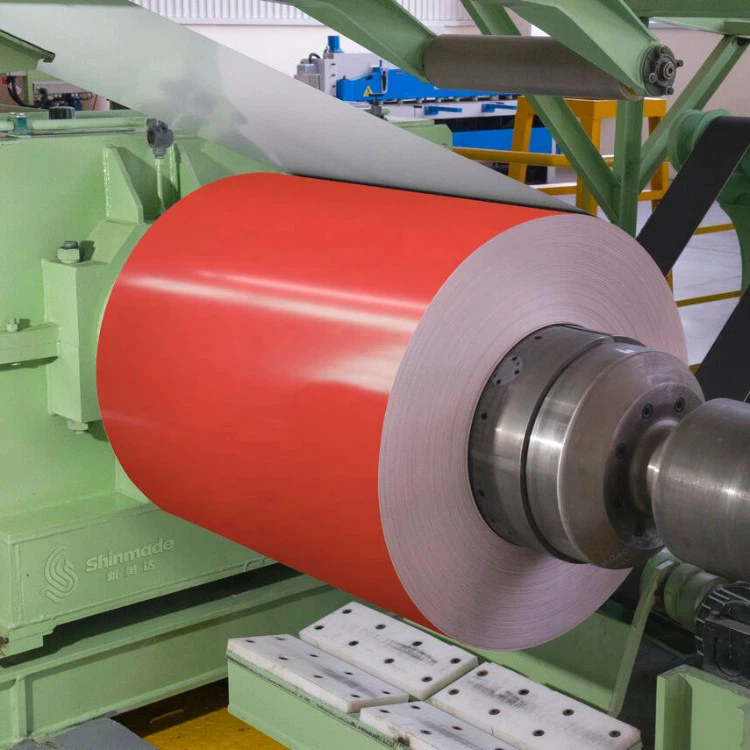
Surfaces that might be handled or come into contact with other objects can be treated with wax. Some of these surfaces might include fences, guardrails, handrails, outdoor furniture, outdoor lighting fixtures, and stairways.
Be Wary Of Paint
Don't be tempted to touch up imperfections or rust with paint as it won't adhere to powder coated surfaces. If your powder coating is showing signs of wear, a professional should either repair or redo it.
About Us
Established in 2015 and located in the Tianjin China, Promisteel, a subsidiary of Tianhe Group, is an international steel trading company with rich experience in exports. We have a stable supply chain from major domestic steel mills and a professional sales team, serving customers in more than 60 countries.
Our company provides a wide range of services to various industries including steel structures, household appliances, barrel manufacturing, shipbuilding, pipe manufacturing, gas tank storage, transformer manufacturing, kitchenware manufacturing, and food packaging. We are committed to offering high-quality and cost-effective products and services to our customers, and providing solutions to problems encountered by our customers in the long process of the international steel supply chain.


Our Certificates


