
 Español
 Türkçe
 Français
 عربي
عربي  dansk
dansk 한국어
한국어 Deutsch
 Việt Nam
 Italiano
 日本語
日本語 Português

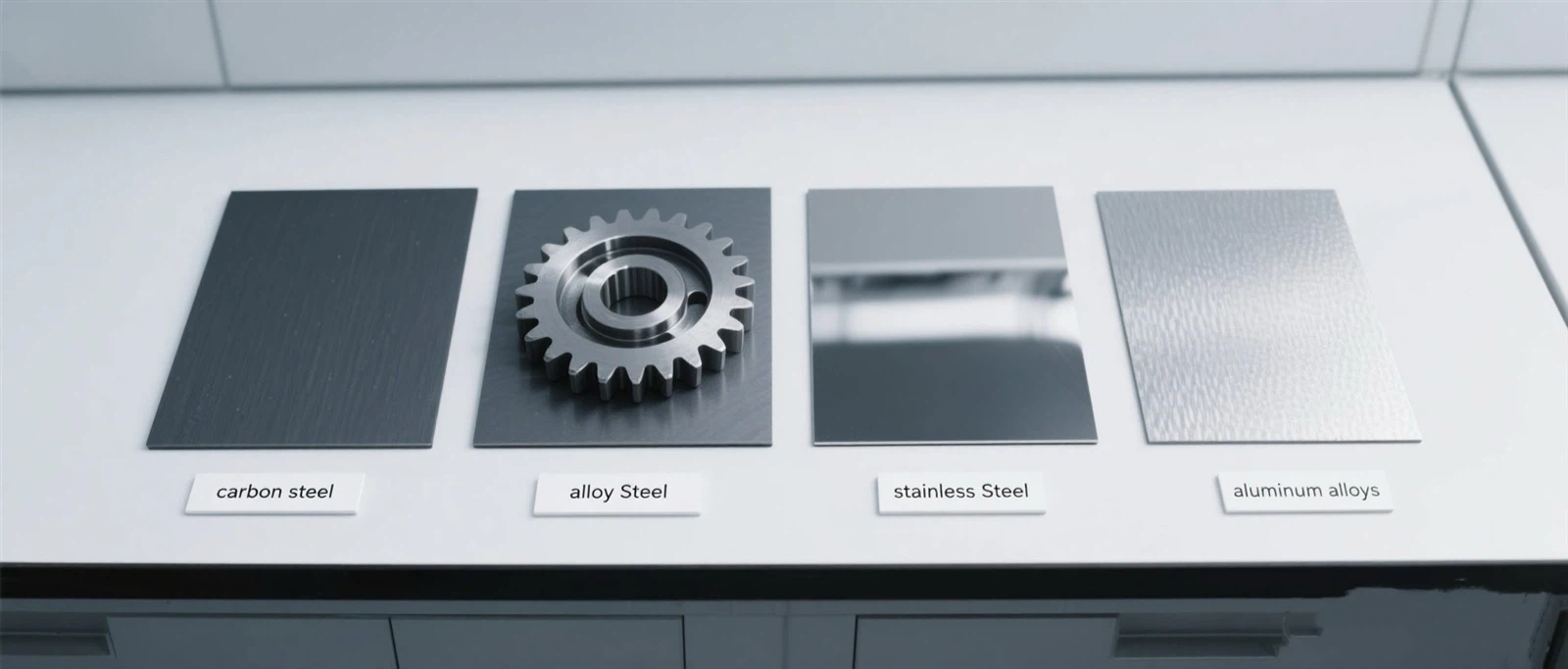
In custom fabrication, every decision matters. But none is more fundamental than the first one: choosing the right material. The metal you select is the very foundation of your component. It dictates performance, defines lifespan, and ultimately drives the final cost. A bad choice can cause early failure in the field, budget issues in production, or a part that just can't do its job.
This guide goes beyond a simple steel-to-steel comparison. We will offer a clear framework. This helps engineers, designers, and procurement managers learn key metal families and their special features. This guide will help you choose the right material for your project. It includes strong carbon steel, high-performance alloy steels, and lightweight aluminum. You'll feel confident and save money with your selection.
Selecting the right steel grade is important for your project. You must match steel properties to what your design needs. Mild steel is strong and not expensive. Stainless steel is stronger for its weight but costs more. The table below shows how materials compare. It lists cost, strength, and formability. These are important when you choose what to use.
Material selection is the first critical decision in our fabrication journey. Check out our Ultimate Guide to Custom Steel Processing Parts. It shows how this choice affects the whole production cycle.
|
Property/Metric |
Steel (Mild) |
Aluminum |
Stainless Steel |
Titanium |
|---|---|---|---|---|
|
Cost per kg (USD) |
Baseline (lowest) |
~2x steel |
~5x steel |
Much higher than steel |
|
Strength by Cost |
High |
Moderate |
Lower than steel |
High but costly |
|
Strength by Weight |
Moderate |
Highest |
Higher than aluminum |
High strength, lightweight |
|
Ductility (Formability) |
Good |
Moderate |
Moderate |
Lower |
Tip: Think about what your part needs before you pick a steel grade.
Key Takeaways
- Pick a steel grade that matches your part's job. Think about strength, corrosion resistance, and how you will use it.
- Look at mechanical properties like tensile strength and hardness. Make sure the steel can handle the forces it will face.
- Think about corrosion and heat resistance. This is important if the part will be in wet or tough places.
- Check weldability and formability. Make sure the steel can be shaped and joined easily for your project.
- Balance cost, availability, and quality. Compare prices and supplier choices before you pick a steel grade.
Steel Grade Selection Factors
Picking the right steel grade takes careful thought. You need to look at a few important things. Each thing affects how your part works and lasts. It also affects how much you spend. Knowing these things helps you choose the best steel for your job.
Application Needs
First, think about what your part will do. Where will it be used? What does it need to handle? If your part gets wet or touches chemicals, it needs to fight rust. If it holds weight or faces force, it needs to be strong and tough. The table below shows which steel grades fit different jobs:
|
Steel Grade Category |
Example Grades |
Application Needs |
Explanation |
|---|---|---|---|
|
Low Carbon Steels |
1020, A36 |
Car body parts, sheet metal |
Soft and flexible for easy shaping and welding |
|
Medium Carbon Steels |
1045 |
Shafts, gears, rail tracks |
Balance of strength and flexibility |
|
High Carbon Steels |
1095 |
Cutting tools, springs |
Hardness and wear resistance |
|
Alloy Steels |
4140, 4340 |
Pressure vessels, pipelines, aerospace |
Enhanced strength, corrosion, high-temp performance |
|
Stainless Steels |
304, 316, 410, 420, Duplex |
Food processing, medical, chemical processing |
Corrosion resistance and application environment |
|
Tool Steels |
D2, H13, M2 |
Cutting tools, industrial equipment |
High wear resistance, toughness, thermal fatigue |
Note: Pick the steel grade that matches your part's job. Use low-carbon steel if you need easy welding. Use high-carbon steel if you need your part to last longer.
Mechanical Properties
Mechanical properties show how your part handles force. You should check:
- Tensile strength: How much pulling force it can take before breaking.
- Compressive strength: How much squeezing force it can take.
- Shear strength: How well it handles sliding forces.
- Young's modulus: How stiff it is and if it bounces back after bending.
- Fatigue and hardness: How long it lasts and how tough it is.
Some steels, like Dual Phase and TRIP steels, are stronger and easier to shape than old types. These steels let you make lighter parts that are still strong. Tests like pulling and bending help you pick the best steel.
- DP steels bend evenly and don't have weak spots.
- TRIP steels can be shaped into tricky forms and weigh less.
- How strong a steel is depends on what it's made of and how it's made.
Corrosion and Heat Resistance
If your part faces tough places, think about rust and heat. Stainless steels have chromium, so they don't rust easily. Alloy steels with nickel or molybdenum work well in hot or harsh places.
|
Steel/Alloy |
Corrosion Environment |
Temperature |
Corrosion Resistance Ranking |
Weight Gain (Indicator) |
|---|---|---|---|---|
|
T91 (martensitic) |
Supercritical CO₂ |
650 °C |
Lowest |
High |
|
TP347HFG (austenitic) |
Supercritical CO₂ |
650 °C |
Intermediate |
Medium |
|
Alloy 617 (nickel-based) |
Supercritical CO₂ |
650 °C |
Highest |
Low |
A layer of chromium on stainless and nickel steels slows down rust. Special heat treatments can help steel fight rust even more. Always pick a steel that fits the heat and chemicals it will face.
Weldability and Formability
How easy it is to weld and shape steel matters. Low-carbon steels like A36 are easy to weld and bend. Some strong steels are harder to weld but can be shaped better. Using the right welding settings is important for strong joints.
- Studies show welding and filler choices change how strong the weld is.
- The way the steel is made changes how easy it is to shape after welding.
- Some steels need special welding because of what they're made of.
Tip: Always test welding and shaping before making lots of parts, especially with new steels.
Cost and Availability
How much steel costs and if you can get it matters too. Prices change by type, place, and market. Carbon steels like A36 are cheap and easy to find. Stainless and special steels cost more because of what's in them.
- Prices can change if the steel is thick, wide, or coated.
- Stainless steels like 304 and 316 cost more because of nickel.
- Where you live and supply problems can change price and wait time.
Always check prices and if your supplier has the steel before you decide. This helps you avoid waiting or paying more than you planned.
Remember: The best steel grade gives you good performance, a fair price, and is easy to get for your project.
Steel Grade Systems
When you select materials for custom fabrication, you will see different systems that classify steel. These systems help you compare grades and pick the right one for your needs. The most common systems are AISI/SAE numbers and ASTM standards.
AISI/SAE Numbers
The AISI/SAE system uses numbers to show the main elements in steel. You can quickly learn about a steel's composition by looking at its number. For example, the 300 series includes austenitic stainless steels like AISI 304, which contains about 18% chromium and 8% nickel. This grade works well for general corrosion resistance. If you need better resistance to chlorides or acids, you might choose AISI 316, which adds molybdenum. The 400 series, such as AISI 410 and AISI 430, offers higher strength and hardness but less corrosion resistance. The 500 and 600 series cover heat-resisting and high-performance steels.
Here is a table that shows how the AISI/SAE numbers relate to steel types and their main elements:
|
Steel Series (AISI/SAE) |
Main Alloying Elements |
Typical Composition Range |
|---|---|---|
|
10XX (Carbon Steels) |
Carbon, Manganese |
Plain carbon steel, Mn ≤1.00% |
|
31XX-34XX (Nickel-Chromium Steels) |
Nickel, Chromium |
Ni ~1.25-3.5%, Cr ~0.65-1.57% |
|
41XX (Chromium Molybdenum Steels) |
Chromium, Molybdenum |
Cr ~ 0.50-0.95%, Mo ~ 0.12-0.30% |
|
50XX, 51XX, 52XX (Chromium Steels) |
Chromium |
Cr ~ 0.27-1.45%, C ≥ 1.00% in some grades |
|
92XX, 93XX, 94XX, 97XX, 98XX (Silicon Manganese Steels) |
Silicon, Manganese, Chromium |
Si ~1.40-2.00%, Mn ~0.65-0.85%, Cr ~0.20-0.65% |
Tip: You can use the AISI/SAE number to quickly compare steel options for your project.
ASTM Standards
ASTM standards give you more details about how a steel grade should perform. ASTM uses codes like ASTM A36 or ASTM A516. These codes tell you about the steel's strength, toughness, and how it should be tested. When you see an ASTM code, you know the steel meets strict rules for quality and use. This helps you trust that your parts will work as expected.
Understanding Designations
You will often see both AISI/SAE numbers and ASTM codes on steel products. The AISI/SAE number tells you what is in the steel. The ASTM code tells you how the steel should behave and what tests it passed. When you understand both, you can choose the best steel grade for your custom fabricated parts. Always check both designations to make sure you get the right material for your job.
Types of Steel for Fabrication
Carbon Steel
Carbon steel is used in many projects. It is made of mostly iron and carbon. This makes it strong and not too expensive. People use it for beams, frames, and panels. Carbon steel is good for heavy jobs because it is very strong and stiff. But it can rust if it gets wet. You may need to paint or coat it to protect it. Carbon steel is harder to shape than softer metals like aluminum.
Alloy Steel
Alloy steel has extra things like chromium, nickel, or molybdenum. These make it stronger and tougher. They also help it last longer and not wear out fast. Alloy steel is good for parts that face a lot of stress or tough places. Chromium makes it stronger when pulled. Molybdenum makes it tougher. Engineers use alloy steel for pipelines, gears, and pressure tanks. You can mix different things into alloy steel to get what you need.
Note: Adding things like carbon, silicon, and nickel makes it stronger. Chromium and molybdenum help it last longer and handle heat.
Stainless Steel
Stainless steel does not rust easily. It has chromium that makes a shield on the outside. People use it in kitchens, hospitals, and on boats. Grades like 304 and 316 do not rust or get hurt by chemicals. This makes them good for food and medical tools. Molybdenum in 316 stainless steel stops tiny holes from salty or sour stuff. Cleaning it often and keeping it smooth helps it stay strong.
- Stainless steel grades have different strengths and rust resistance.
- 316 stainless steel is best for boats and chemical places.
- The oxide layer keeps it from rusting.
Tool Steel
Tool steel is used for cutting and shaping things. It is very hard and does not wear out fast. It can take high heat. You see tool steel in dies, punches, and machines. New tool steels are made with powder to be tougher and shaped better. Car and plane makers use tool steel for strong and exact parts.
- Cold Work Tool Steel stays sharp and does not bend.
- High-Speed Tool Steel stays hard even when hot.
- Alloy Tool Steel can take hard hits for tough jobs.
Hot-Rolled vs. Cold-Rolled
You can pick hot-rolled or cold-rolled steel for your job. Hot-rolled steel is made at high heat. It is easier to shape and costs less. It feels rough and is not as exact, so it is good for big building jobs. Cold-rolled steel is made at room temperature. It is smooth and very exact. It is stronger and good for small, precise parts, but it costs more.
|
Aspect |
Hot Rolled Steel |
Cold Rolled Steel |
|---|---|---|
|
Manufacturing Process |
Made at high heat, easy to shape |
Made at room temperature, very exact |
|
Surface Finish |
Rough, may need fixing |
Smooth, shiny, good for parts you can see |
|
Dimensional Tolerance |
Not very exact |
Very exact, good for small parts |
|
Mechanical Properties |
Easier to work with |
Stronger and harder |
|
Cost |
Costs less |
Costs more |
|
Applications |
Used in buildings and big things |
Used in cars, electronics, and small, exact parts |
Tip: Use hot-rolled steel for big, strong buildings. Pick cold-rolled steel for parts that must look nice and fit just right.
Choosing a Steel Grade
When you pick a steel grade, think about how you will use the part. Also, think about where it will be and what you want it to do. Every job needs something different. Use this guide to help you find the best steel grade for your needs.
Structural Applications
Structural parts must be strong and safe. They hold up weight and keep things from falling. ASTM A36 and S355 are common choices. ASTM A36 is strong and easy to weld. It does not cost much. S355 is even stronger. It is good for bridges and towers. If you need more strength, ASTM A572 or ASTM A992 are good for big buildings.
|
Steel Grade |
Strength |
Weldability |
Typical Use |
|---|---|---|---|
|
ASTM A36 |
Good |
Excellent |
Beams, columns, frames |
|
S355 |
High |
Good |
Bridges, towers, reinforcements |
|
ASTM A992 |
Very High |
Excellent |
Wide-flange beams, structures |
|
ASTM A572 |
High |
Good |
Bridges, buildings |
Tip: For car body panels or extra support, use low-carbon steel like AISI 1010 or 1020. These are easy to shape and weld.
Corrosive Environments
Some parts get wet or touch chemicals. These need steel that does not rust. Stainless steel grades like 304 and 316 stop rust. Grade 316 is best for boats and chemical plants. It has molybdenum, which blocks salt and acid damage. Duplex stainless steels like 2205 and 2507 are very strong and fight rust well. They are good for oil rigs and chemical tanks.
- Use 304 for kitchen tools and indoor rails.
- Pick 316 for boats, water plants, or chemical jobs.
- Choose 2205 or 2507 for tough outdoor or sea places.
Tests show low-carbon steel rusts fast in salty water. Stainless and duplex steels last much longer. Picking the right steel saves money and makes parts last longer.
High-Strength Needs
Some parts must take heavy loads or hard hits. High-strength steels like ASTM A514, 17-4PH, and AHSS such as AF9628 are made for this. These steels are very strong and do not break easily. They are used in big machines, defense, and car safety parts.
|
Steel Grade |
Yield Strength |
Key Feature |
Typical Use |
|---|---|---|---|
|
ASTM A514 |
Very High |
Toughness, weldability |
Heavy equipment, pressure vessels |
|
17-4PH |
High |
Precipitation hardening |
Aerospace, automotive components |
|
AF9628 (AHSS) |
Ultra High |
Martensitic microstructure |
Crash-resistant auto parts, defense |
Tests like pulling and bending show these steels work in tough spots. Use them for parts that must not break, like safety cages.
Specialized Grades
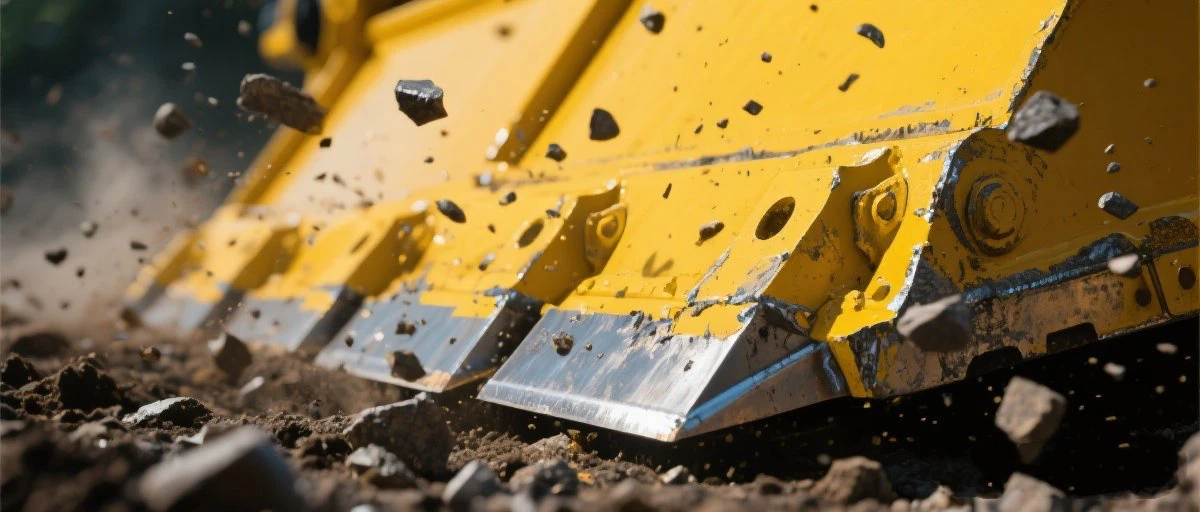
Some jobs need special steel. Valve casings in high-pressure places use ASTM A216 GRADE WCB. It is strong and handles heat. Weathering steels like ASTM A588 do not rust outside. They are good for bridges and building fronts. AR400 and AR500 are tough and protect mining tools from wearing out.
|
Steel Grade |
Specialty |
Typical Use |
|---|---|---|
|
ASTM A216 GRADE WCB |
High-temp, pressure |
Valve casings, pumps |
|
ASTM A588 |
Weathering |
Bridges, outdoor structures |
|
AR400, AR500 |
Abrasion-resistant |
Mining, construction equipment |
|
1045 |
Wear resistance |
Shafts, gears |
|
4130, 4140 |
Toughness, fatigue |
Aerospace, tooling |
Note: For food, medical, or chemical jobs, always use stainless steel. This keeps things clean and safe.
Each steel grade is made for a certain job. Think about what you need the part to do. Also, think about where it will be used. This helps you pick the best steel grade for your custom parts.
Steel Grade Decision Checklist
Picking the right steel grade takes several steps. Use this checklist to help you remember each important thing before you decide:
- Define the Application
Figure out what your part will do. Think about how much weight it must hold. Also, think about where it will be used. Will it face heat, chemicals, or water?
- Check Mechanical and Chemical Properties
Look at the steel's hardness and toughness. See if it can handle wear. What it is made of changes how it acts under stress.
- Evaluate Fabrication Needs
Think about how you will cut or weld the steel. Some grades are easier to work with. Heat treatment can change how the steel acts.
- Assess Corrosion and Temperature Resistance
Pick a steel grade that fits where it will be used. If it will be in a harsh place, choose one that fights rust.
- Balance Cost and Value
Check the price, but also think about how long it will last. Sometimes paying more at first saves money later.
- Verify Standards and Certifications
Make sure the steel meets rules like ASTM, ISO, or SAE. Supplier papers and Certified Reference Materials show it is good quality.
- Review Regulatory Compliance
Check that your steel choice follows all safety and legal rules for your job.
|
Factor Category |
Key Considerations |
|---|---|
|
Load Capacity and Usage |
Pick steel grade for the most weight it will hold. This stops bending or breaking. |
|
Environmental Conditions |
Think about heat, wetness, and chemicals that could hurt the steel. |
|
Scale Size and Shape |
The steel grade should fit the size and shape you need. |
|
Regulatory Compliance |
Make sure you follow all rules and laws for picking steel. |
|
Budget Constraints |
Get good performance but do not spend too much. |
Tip: After you pick your steel grade, take care of it to help it last longer and work better.
|
Maintenance and Care Tips for Steel Grades |
Practical post-selection considerations to maintain steel performance and longevity. |
|---|---|
|
Carbon Steels (Mild Steel) |
Clean often, keep dry, and stop rust from starting. |
|
Wash with mild soap, do not use rough cleaners or chlorides. |
|
|
Tool Steels |
Keep dry, sharpen often, and use oil or wax to protect. |
|
Alloy Steels |
Keep coatings in good shape, stay away from harsh chemicals, and check for damage. |
|
Weathering Steels |
Let them weather naturally, do not let water sit, and clean sometimes. |
If you use this checklist, you can pick the steel grade that works best for your project and helps it last a long time.
Picking the right steel grade helps your parts work well. It keeps them safe, saves money, and makes them last longer if you follow a plan.
- Talk to engineers and experts to find what your project needs.
- Look at how strong each steel grade is and check its certifications.
- Think about coatings and where the part will be used to help it last.
- Buy from good vendors and use planning tools to get good results.
If your project is hard, ask suppliers or experts for help. Use these steps for your next project to get the best results.
Your Partner in Material Selection
Choosing the right material is a complex engineering decision with significant financial implications. You don't have to make it alone. At Promisteel, we are more than just a fabricator; we are your technical resource. Our experienced engineering team can work with you to analyze your design, understand your application, and recommend the optimal material that perfectly balances performance, manufacturability, and your budget.
Ready to select the perfect material for your next project?
FAQ
What is the best steel grade for welding?
You should choose low-carbon steel like A36 or 1018 for welding. These grades offer easy weldability and strong joints. High-carbon or alloy steels may need special welding techniques.
How do you prevent steel parts from rusting?
You can use stainless steel, apply protective coatings, or paint the surface. Regular cleaning and keeping parts dry also help prevent rust. Stainless steel grades like 304 and 316 resist corrosion best.
Which steel grade is strongest for heavy loads?
For heavy loads, you should select high-strength grades like ASTM A514 or S355. These grades provide excellent yield strength and toughness. They work well in construction and heavy machinery.
How do you pick the right steel for outdoor use?
Pick weathering steel like ASTM A588 or stainless steel for outdoor use. These grades resist rust and last longer in harsh weather. Always check the environment before you choose.
Tip: Always ask your supplier for certifications and test reports to ensure you get the right steel grade for your project.


