
 Español
 Türkçe
 Français
 عربي
عربي  dansk
dansk 한국어
한국어 Deutsch
 Việt Nam
 Italiano
 日本語
日本語 Português

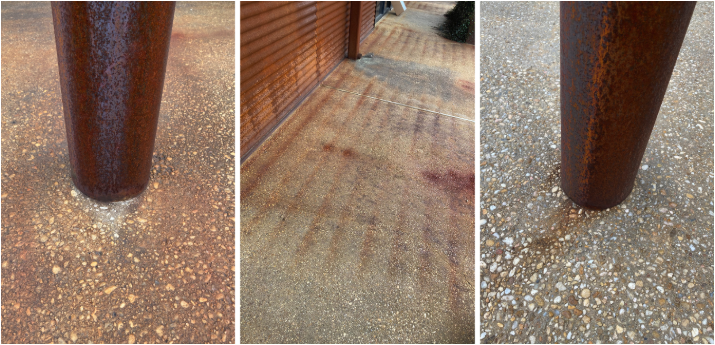
Corten steel has a good appearance and is rust-proof over time; it is also known as weathering steel. Depending on its surface, it develops a rust-like protective layer, and there is no need for additional coatings. However, improper installation will result in ugly stains, early rust, or even structural collapse. To guarantee that your Corten steel functions effectively and lasts a long time, follow these easy ways.
Step 1: Make preparation before installation
Good preparation keeps problems away before you even put the steel in place.
Check and Handle the Steel Properly
Check it for damage such as scratches or dents firstly when you get the Corten steel-these could damage the protective layer. Ensure it can meet standards such as ASTM A588 (for structures) or ASTM A606 (for sheets). The steel with special chemicals (like copper and chromium) helps form the protective layer, so it must match these standards.
Move the steel with soft straps, not chains, because chains scratch the surface and leave iron particles that cause rust spots. Don't drag it on rough ground, otherwise you'll remove the initial protective layer. Store it in a dry, airy spot, and keep it off the ground on wooden pallets in order to avoid moisture and dirt. Don't store it with other metals like regular carbon steel because their particles can stick to Corten steel and create rust stains. Also, keep it away from concrete, mortar, or fertilizers because these have alkaline stuff that harms the steel's surface.
Check the Installation Site
The protective layer on Corten steel needs regular wet and dry cycles to form well. Too much water or constant dampness will stop this process and cause uneven stains. Before installing, check the site's rainfall, humidity, salt spray when it's near the sea, and nearby industrial pollution. For outdoor usage, ensure the site drains well so that water doesn't pool around the steel. Standing water is a main cause of stains because it results in local rust and leaves mineral marks when it dries. If you're installing near the coast, the salty air speeds up rust-use thicker Corten steel or a better quality alloy. For indoor use, keep humidity between 40% and 60% to help to form a protective layer slowly without too much moisture.
Step 2: Correct Install the Steel
Most mistakes that cause stains and structural damage happen during installation. Every step, from cutting to sealing, needs care.
Cut and Shape the Steel Without Damage
Cutting Corten steel creates heat, sharp edges, and heat-damaged areas that are easy to be rusty.
As long as possible, use cold-cutting techniques like shearing or waterjet cutting to create clean edges without altering the chemical ingredients of the steel. Use low heat, cut steadily, and immediately brush off any slag or oxide from the cut edges when using hot-cutting techniques like plasma or oxy-fuel cutting.
After cutting, smooth all sharp edges. Sharp spots lead to stains because they trap moisture and dirt. Iron-based or silicon carbide grinders can be used-it is because they leave particles that create rust spots. Instead, use aluminum oxide grinders. When you finish cutting and shaping, clean the steel with mild soap and water to remove oil or dirt, rinse it well, and make it completely dry before installing.
Weld Carefully to Keep Rust Resistance
Welding is crucial for structural Corten steel, but bad welding ruins the steel's rust resistance and can cause structural failure. Use welding rods that match Corten steel's chemical ingredients-like E7018-C1 or E8018-W rods. Common carbon steel rods make welds that can't form the same protective layer as the steel itself, so rust and stains will appear nearby the welds.
Use as little heat as possible to reduce heat-damaged areas when welding-too much heat removes the chemicals that form the protective layer. Short arcs and slow travel speeds are used for strong, even welds. After welding, firstly eliminate slag and spatter, and secondly grind the weld smooth to match the steel surface-it can remove gaps where moisture can collect. Last, clean the welded area using a pH-neutral cleaner to remove welding fluids, and let it dry naturally. It can help the weld form the same protective layer as the rest of the steel, avoiding ugly discoloration.
Choose the Right Fasteners in order to Avoid Extra Rust
To prevent stains and structural damage, the fasteners are crucial. When corten steel touch stainless steel, aluminum, or copper, it rusts quickly When two different metals touch in damp conditions, an electric reaction happens, and Corten steel rusts fast. This causes stains and weakens fasteners, making the structure unstable.
Fasteners should be made of the same Corten steel as the main material. Use hot-dip galvanized ones If you can't find Corten steel fasteners, It because they work well with weathering steel and won't cause extra rust. Never use stainless steel or aluminum fasteners. To spread the load evenly, put washers between fasteners and the steel surface to spread the load evenly, in that case fasteners. Digging into the steel and creating moisture traps is not allowed. Tightening fasteners too much is not allowed-it is because over-tightening bends the steel and creates stress points that rust easily.
Design Joints Well and Properly Seal Them
Poorly designed joints and bad sealing are big causes of stains and structural failure. Water can seep in joints and cause local rust and stains. For walls or panels, use tongue-and-groove joints because they let the steel expand and shrink with temperature changes while keeping water out. Corten steel expands when hot and shrinks when cold; in that case, leave 3–5 mm of space per meter of steel length to prevent bending or warping.
Use high-quality, UV-resistant silicone or polyurethane sealants for sealing; they work with Corten steel. Acidic or alkaline sealants can't be used because they react with the steel and cause discoloration. Apply the sealant evenly to cover the whole joint, then smooth it out for a seamless finish. Make sure they slope at least 2% so water runs off and doesn't pool for horizontal surfaces.
Step 3: Take Care of the Steel After Installation
Simple post-installation care keeps Corten steel looking good and structurally sound. Corten steel needs little maintenance, but these steps prevent stains and long-term damage.
Help the Protective Layer Form (First 6–12 Months)
In the first 6 to 12 months, the steel's protective layer is forming. During this time, some rust particles will come off and stain nearby surfaces like concrete or stone. To stop this, put temporary drip edges or pans under the steel to catch the rusty runoff. A clear, breathable sealer made for weathering steel also can be used to slow down rust runoff-but note that the sealer will change the steel's natural look.
High-pressure water to wash the steel can't be used during this phase Because it can remove the forming protective layer and cause uneven stains. If dirt builds up, gently brush it with a soft brush and water. Harsh chemicals or abrasive cleaners can't be used-they damage the protective layer.
Long-Term Maintenance
The steel resists rust well and requires very little care once the protective layer is fully formed (after 1–2 years). Inspect it once a year for cracks, loose fasteners, or damaged protective layers (like scratches or worn spots). Fix any damage immediately: clean the area, brush off loose rust, and apply Corten steel touch-up paint to protect it until a new protective layer forms. inspect it twice a year-these environments speed up rust If the steel is near the coast or in an industrial area,
For structural Corten steel, check its load-bearing capacity regularly to make sure it isn't bending or warping. Also, check welds and fasteners for rust or looseness, and replace any damaged fasteners immediately.
Mistakes to Definitely Avoid
1. Installing Corten steel directly on concrete or masonry is not allowed-use a rubber or plastic barrier between them to stop alkaline chemicals from harming the steel.
2. Ignoring drainage is not allowed-standing water causes local rust and mineral stains.
3. Using regular carbon steel parts (like brackets or clips) with Corten steel is not allowed-their iron particles create rust spots.
4. Over-cleaning the steel or using harsh chemicals is not allowed-these damage the protective layer.
Don't Let Installation Mistakes Ruin Your Project!
Corten steel is a strong, good-looking material, however its performance depends on correct installation. you can avoid stains and structural failure By following these simple steps-preparing well, installing carefully, and doing basic maintenance-. Corten steel doesn't rust like regular steel; it develops a beautiful protective layer over time. With the right care, it will look great and work well for many years.
Avoiding these common pitfalls requires both the right material and the right technical guidance. At Promisteel, we don't just sell steel; we provide the engineering support you need for a flawless execution.


