
 Español
 Türkçe
 Français
 عربي
عربي  dansk
dansk 한국어
한국어 Deutsch
 Việt Nam
 Italiano
 日本語
日本語 Português

WHAT'S THE DIFFERENCE BETWEEN Hot-dip galvanizing AND Electro galvanizing
Hot-dip galvanizing
Hot-dip galvanizing is also called hot-dip galvanizing and hot-dip galvanizing: it is an effective metal anti-corrosion method, mainly used in metal structure facilities in various industries. It is to immerse the rust-removed steel parts in the molten zinc at about 500 ℃, so that the surface of the steel parts will be attached with a zinc layer, so as to achieve the purpose of anti-corrosion.

Electro galvanizing
Electro galvanizing is a common surface treatment used to protect metal products from corrosion. In the electrogalvanizing process, zinc metal is deposited on the metal surface by an electrochemical reaction, forming a protective layer of zinc. Electro-galvanizing can effectively prevent metal products from contacting with oxygen, water and other corrosive substances in the environment, thereby prolonging their service life and improving corrosion resistance. Electrogalvanizing is commonly used in steel products such as screws, nuts, pipes, metal mesh and auto parts.
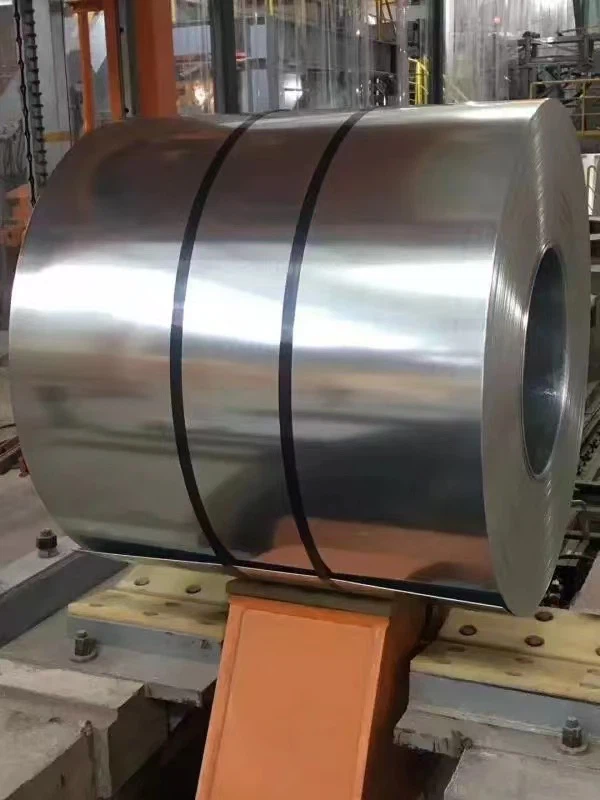
Description
1. Hot-dip galvanizing is a metal anti-corrosion method. It usually puts the steel structure to be derusted into a zinc solution at about 500 ° C, so that the zinc layer adheres to the surface of the steel structure. Cold galvanizing uses electrolysis to attach a layer of metal film to the surface of metal and other materials, making the surface of the material uniform in texture, anti-corrosion and wear-resistant, and more beautiful in appearance.
2. The hot-dip galvanized coating is thicker, generally 30-60 microns, and the coating has a higher anti-corrosion ability. It is suitable for long-term rust prevention of steel parts for outdoor work, such as highway fences, power towers, large-size fasteners and other "rough" workpieces. Cold galvanizing, the surface of the workpiece is smooth and flat, but because the coating is relatively thin, generally within 5-30 microns, the anti-corrosion time will be relatively short. Both are used for rust prevention of indoor parts, such as the bottom of the cabinet, panels, and small-sized fasteners.
3. Hot-dip galvanizing uses the principle of zinc to resist atmospheric corrosion to electrochemically protect steel and other materials. The zinc carbonate protective film on the surface can slow down the speed of zinc corrosion. Even if it is destroyed, a zinc film will be formed again. Cold galvanizing uses a chemical method to separate zinc alloy into zinc ions, which have been attached to the surface of steel. The new layer formed by this method is generally thin, and steel is prone to rust under normal circumstances.
4. The outer surface of cold-dip galvanizing is relatively smooth and bright. The electroplating layer with color passivation process will appear yellow-green, and the electroplating layer with white passivation process will appear bluish white. Generally, there is only a small amount of zinc layer at both ends of cold-galvanized steel pipe. , and then there is no galvanized layer inside. The outer surface of hot-dip galvanized is relatively rough, darker in color, and generally silvery white, because the production process causes some water marks and dripping on the surface, and the surface does not emit light or reflect light. Hot-dip galvanized steel pipe has a complete galvanized layer inside and outside.
5. Distinguish from the process
There are many processing techniques for hot-dip galvanizing. After the workpiece is degreasing, pickling, dipping, drying and other processes, it can be immersed in the molten zinc bath, and it can be taken out after soaking for a certain period of time. This is hot-dip galvanizing. Like some hot-dip pipe fittings are processed in this way. The cold-dip galvanizing is actually electro-galvanizing, which is processed by electrolytic equipment. After degreasing, pickling and other processes, it is immersed in a solution containing zinc salts, connected to the electrolytic equipment, and placed on the workpiece during the directional movement of the positive and negative electrodes. It comes from the deposition of zinc layer.
6. Distinguish from the appearance
The overall appearance of hot-dip galvanizing is slightly rougher, and it will produce process watermarks, dripping tumors, etc., especially at one end of the workpiece, which is silver-white as a whole. The surface layer of electro-galvanized is relatively smooth, mainly yellow-green, of course, there are also colorful, bluish-white, white with green light, etc. The whole workpiece basically does not appear zinc tumors, agglomerations, etc.


