
 Español
 Türkçe
 Français
 عربي
عربي  dansk
dansk 한국어
한국어 Deutsch
 Việt Nam
 Italiano
 日本語
日本語 Português

Checkered steel, also known as checkered plate or diamond plate, is a type of steel sheet or plate that has a raised pattern on its surface. The pattern typically consists of a series of diamonds or lozenges, which are raised from the base steel material. The raised pattern provides added traction and slip resistance, making checkered steel ideal for applications where slip hazards are a concern.
Checkered steel plates are commonly made from carbon steel or stainless steel, but other materials like aluminum can also be used. The manufacturing process involves hot rolling the steel sheet or plate, which creates the raised pattern on the surface. After rolling, the steel plate is further processed to achieve the desired dimensions and finish.
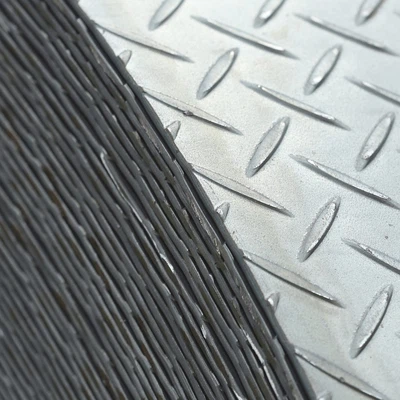
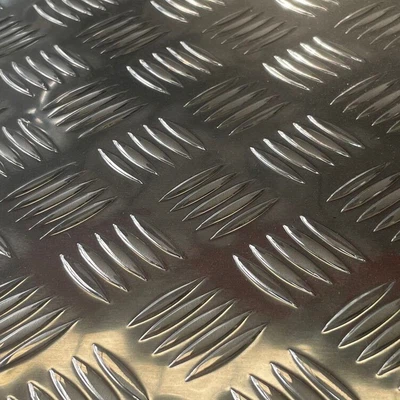
The main properties of checkered steel include:
Anti-Slip Characteristics: The raised pattern on the surface provides excellent anti-slip properties, making it suitable for environments where slip resistance is essential.
Strength and Durability: Checkered steel is made from high-strength materials, giving it good load-bearing capacity and durability, making it suitable for heavy-duty applications.
Lightweight: Despite its strength, checkered steel is relatively lightweight compared to solid steel plates, making it easier to handle and transport.
Decorative Use: The distinctive pattern of checkered steel can also serve decorative purposes in architectural and design applications.
Ventilation: The open pattern of checkered steel allows for some level of ventilation in certain applications.
Easy to Clean and Maintain: The surface of checkered steel is relatively smooth, which makes it easier to clean and maintain compared to some other textured materials.
Checkered steel plates are widely used in various industries and applications, such as industrial flooring, stairs, platforms, truck bed liners, and walkways, where a non-slip surface is necessary. They are also used for aesthetic purposes in architectural and interior design projects.


