
 Español
 Türkçe
 Français
 عربي
عربي  dansk
dansk 한국어
한국어 Deutsch
 Việt Nam
 Italiano
 日本語
日本語 Português

Automotive steel solution for Exhaust Pipe
The exhaust pipe we called is the channel through which gas is moved from a vehicle's engine. When we start our vehicles, a small amount of gasoline is converted into a mixture of gasses and soot that moves out of the exhaust pipe. Even if the engine is running aggressively, the exhaust pipe should not emit smoke. An exhaust system diverts reaction exhaust gases away from the controlled combustion within an engine or stove. The entire system transfers burnt gases from the engine and includes one or more exhaust pipes.
- Main Functions of an Exhaust Pipe
- Types of Exhaust Pipes
- Common Raw Materials for Exhaust Pipes
- The size exhaust pipe
- How to contact us
The aluminum steel Depending on the overall system design, the exhaust gas may flow through one or more of the following:
Cylinder head and exhaust manifold
A turbocharger to increase engine power.
A catalytic converter to reduce air pollution.
A muffler/ silencer, to reduce noise.
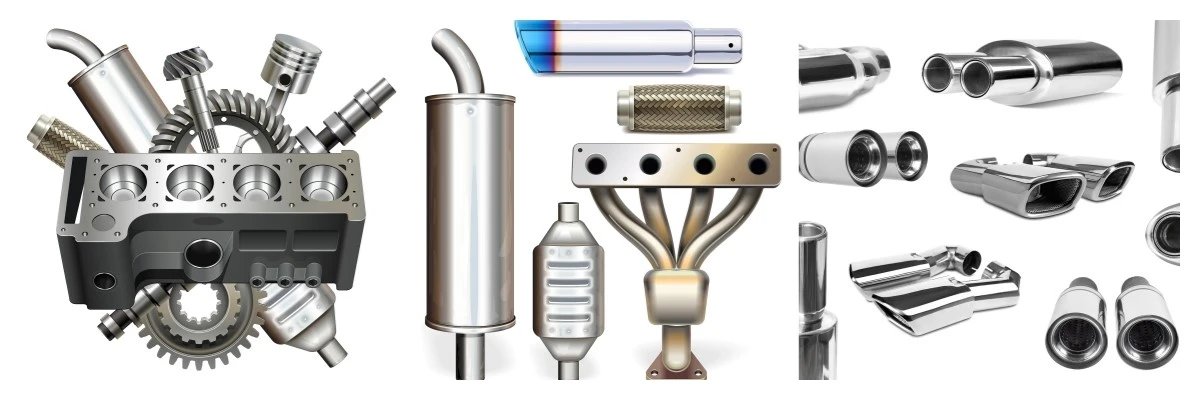
We Promisteel® supply to many countries for exhaust pipe use from 2015. An exhaust pipe must be correctly built to direct poisonous and unpleasant gasses away from the machine's users. Indoor generators and furnaces can quickly fill an enclosed space with toxic exhaust gases like hydrocarbons, carbon monoxide, and nitrogen oxides if not adequately vented to the outside. Also, the gases from most machines are scorching; the pipe must be heat-resistant and not pass through or near anything that can burn or be damaged by heat.
Main Functions of an Exhaust Pipe
Emission Control: The muffler helps to lower noise; and the exhaust pipe helps the combustion gases-mostly carbon dioxide, nitrogen oxides, carbon monoxide, and other pollutants-generated by the engine to exit to the exhaust system components, such as the catalytic converter, so lowering harmful affections.
Noise Reduction: working with other exhaust system components, including the muffler, to reduce engine exhaust noise.
Safety: Exhaust pipes prevent harmful gasses from entering the vehicle's cabin, ensuring safety all the time.
Heat wastefulness: Expels heat from engine combustion, and prevents overheating.
Structure of an Exhaust Pipe:
Material: Steel alloys are always used in automobile exhaust pipe production because of their quite good durability and resistance to corrosion from exhaust gases during the working, such as aluminized or stainless steel.
Shape and Size: The size and shape of exhaust pipes are designed typically cylindrical, though they can vary based on the vehicle and exhaust system. Because the engine size and performance needs are always different, they usually come in different diameters.
Location: The exhaust pipe is normally found near the back of the vehicle, where it exits. In rare circumstances, it may have several pipes, particularly in performance or dual exhaust systems.
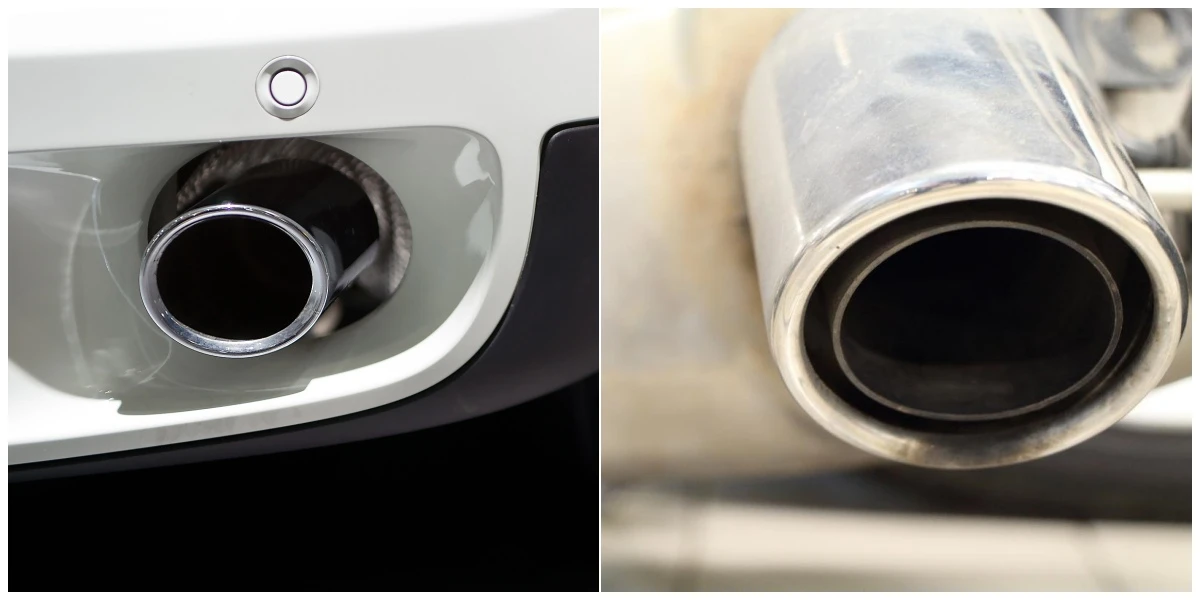
Types of Exhaust Pipes
Single Exhaust Pipe: an exhaust system arrangement in which the vehicle has only one exhaust outlet that removes exhaust gasses from the engine. It's typically the more basic and traditional exhaust setup, found in many standard or older vehicles, especially those with smaller engines or fewer performance requirements.
Dual Exhaust Pipe: an exhaust configuration that uses two separate exhaust outlets to expel the exhaust gases from an engine. Each exhaust pipe serves a different side of the vehicle or different engine banks.
Performance Exhaust Systems: an aftermarket upgrade to be designed to enhance the efficiency, power, sound, and overall performance of a vehicle's exhaust system during the working time.

Common Raw Materials for Exhaust Pipes
Aluminized Steel:
Steel coated with the aluminum-silicon alloy.
Provide good corrosion resistance and heat resistance all the time.
Commonly used for cost-effective exhaust systems in standard vehicles.
Stainless Steel
Grades like 409, 304, or 316 stainless steel are frequently used for making the pipes.
Known for excellent resistance to corrosion, heat, and rust.
With quite high-performance or long-lasting exhaust systems.
409 Stainless Steel: with good heat, better corrosion resistance, and cost-effectiveness.
304 Stainless Steel: Premium grade, higher corrosion resistance, and ideal for performance exhaust systems.
Mild Steel
Less expensive and used in older or budget vehicles.
Due to its rust and corrosion weakness, it is less commonly used in modern vehicles.
Inconel (Nickel-Chromium Alloys)
Rarely used due to its high cost.
Extremely heat-resistant and suitable for high-performance or racing exhaust systems.
Titanium
Lightweight, strong, and highly resistant to heat and corrosion.
Used in premium or performance-oriented vehicles where weight reduction is critical.
More expensive than steel, limiting its use to high-end applications.
Ceramic Coatings (Optional)
Some exhaust pipes are coated with ceramic for additional heat resistance and reduced heat transfer.
Due to its cost-effectiveness, high strength, and corrosion resistance, stainless steel from Promisteel® is one of the most commonly used materials in exhaust systems for automotive industries.
Key Properties of the Raw Materials
Heat Resistance: Exhaust pipes must withstand high temperatures generated by the engine (up to 600–800°C or more).
Corrosion Resistance: Resistance to moisture, salt, and exhaust gases is essential to ensure durability.
Formability: Materials must be easy to shape and weld during manufacturing.
Strength and Durability: Ability to endure mechanical stress and long-term use.
The size exhaust pipe
The kind of vehicle, engine size, and performance criteria affect the exhaust pipe diameters. The key dimensions that are typically considered as exhaust pipes include diameter, wall thickness, and length. Below are typical ranges and factors for these dimensions:
1. Diameter (Inner or Outer)
Passenger Cars style:
Standard vehicles: 1.5" to 2.5" (38 mm to 63 mm)
Performance cars: 2.5" to 3.5" (63 mm to 89 mm)
Trucks and SUV types:
Light-duty trucks: 2.5" to 3.0" (63 mm to 76 mm)
Heavy-duty trucks: 3.5" to 5.0" (89 mm to 127 mm)
Motorcycles:
Small engines: 1.0" to 1.5" (25 mm to 38 mm)
Larger engines: 1.5" to 2.5" (38 mm to 63 mm)
2. Wall Thickness
Wall thickness impacts the durability and noise characteristics of the exhaust system.
Standard Thickness: 1.2 mm to 2.5 mm
Performance Exhausts: Thinner walls (1.0 mm to 1.5 mm) for weight reduction while maintaining strength.
Heavy-Duty Systems: Thicker walls (up to 3.0 mm) for enhanced durability.
3. Length
The length depends on the exhaust system design and vehicle type.
Passenger Cars: Exhaust pipes typically range from 1.5 m to 2.5 m in total length (including multiple segments like headers, intermediate pipes, and tailpipes).
Trucks and SUVs: Longer systems may range from 2.5 m to 5 m.
Motorcycles: Shorter exhaust pipes, typically 0.5 m to 1.5 m.
Factors Affecting Dimensions:
Engine Size and Power Output: Larger engines require larger diameters to manage increased exhaust flow.
Performance Tuning: High-performance vehicles often have wider pipes for reduced backpressure and better airflow.
Noise and Emission Standards: Smaller diameters may help reduce noise, but larger diameters are preferred for efficient gas evacuation.
Space Constraints: The available space under the vehicle influences pipe diameter and routing.
The quick and easy way to choose what diameter pipe you will need from the headers to the mufflers is to go back to the old rule of thumb, that for every 100 horsepower = 1" of total pipe diameter is needed across the system. For example, a 500 horsepower engine needs a 2.5″ dual exhaust (2.5″ x 2 = 5″).
All things considered, exhaust pipes are rather important parts in the industrial and automotive sectors; their consumption worldwide is mostly motivated by necessities related to industrial machinery and vehicle manufacture. Choose Promisteel®, your reliable and trustworthy solution provider.


