
 Español
 Türkçe
 Français
 عربي
عربي  dansk
dansk 한국어
한국어 Deutsch
 Việt Nam
 Italiano
 日本語
日本語 Português

If you source structural steel for factories, commercial builds, or wholesale distribution, you've likely wasted weeks sorting disjointed vendor quotes and fixing fabrication mistakes that stem from unclear buyer requests. Every estimator at overseas steel mills will tell you the same thing: most pricing errors, schedule slips, and unexpected change orders trace back to a rushed, incomplete steel structure RFQ. Plant owners, general contractors, project investors, and steel fabricators all lose money when bid documents skip critical technical and commercial context. Putting together a thorough, organized RFQ packet eliminates guesswork for manufacturers and lets you compare offers fairly without hidden cost surprises down the line.
Many procurement teams cut corners on RFQ drafting to save a few hours of admin work upfront. They attach rough hand-drawn sketches, one-sentence project summaries, and zero formal specs, assuming steel suppliers can fill in missing technical details independently. This mindset creates massive gaps. Each manufacturer's estimating team will interpret your vague requirements differently. One mill might quote thin paint coatings; another will price heavy galvanizing. One engineer will design loose connection tolerances; another will build to strict code limits. The end result is a stack of bids you cannot logically weigh against each other, plus costly rework once manufacturing starts.
This field guide draws on real-world experience serving cross-border steel buyers and breaks down exactly what documentation belongs in your RFQ for custom structural steel jobs of any size.
5-Second Executive Summary: Complete Structural Steel RFQ Checklist
For project procurement managers and estimating teams tracking tight build schedules, this master benchmark outlines the non-negotiable documentation layers required for an audit-proof RFQ package:
| RFQ Documentation Layer | Core Technical Elements Included | Primary Risk Mitigated | Strategic Value Delivered |
|---|---|---|---|
| 1. Site Usage Brief | Physical address, wind/snow loads, operational equipment weight | Miscalculated structural load capacity | Prevents structural over/under-engineering. |
| 2. Blueprint Files | Approved 2D CAD elevations, connection details, editable 3D models | Mismatched member sizes & field clashes | Guarantees binding 24-hour vendor quotes. |
| 3. Material Rules | Certified grades (Q355B/A572 Gr.50), ISO 12944 coating specs | Secret material grade downgrades | Unifies baseline pricing across all bidders. |
| 4. Fabrication Codes | Tolerances (EN 1090/AISC), weld standards (AWS D1.1), NDT rates | High-altitude field re-drilling & cutting | Eliminates on-site assembly alignment delays. |
| 5. Commercial Terms | Incoterms (FOB/DDP), payment triggers, ITP third-party hold points | Unbudgeted port fees & liquidated damages | Locks in total landed cost of ownership. |
Why Skimping on RFQ Details Hurts Your Bottom Line
A request for a quotation is not just a quick price ask. It acts as a binding pre-production reference that aligns your construction goals with a factory's equipment limits, quality controls, and shipping capacity. Custom steel frames, trusses, and platform components are engineered to match unique site wind, snow, and seismic loads-there is no one-size-fits-all production setup. Any ambiguity in your paperwork opens the door to inflated secondary charges and timeline delays.
Experienced construction stakeholders invest time in polished RFQs for three tangible financial benefits:
1. Level Playing Field for Vendor Comparison
When every supplier receives identical drawings, material rules, weld standards, and delivery terms, you judge bids on actual value rather than differing assumptions. You won't waste hours adjusting quotes to account for unstated coating grades or missing assembly hardware.
2. Cut Rework and Post-Fabrication Modification Fees
On-site fitting errors, material downgrades, and last-minute design tweaks are the biggest budget drains for steel construction. Locking every requirement into your RFQ before production begins almost entirely removes the need for costly re-cutting, re-welding, or extra surface treatment runs after parts ship.
3. Speed Up the Full Pre-Build Timeline
Well-organized RFQs let steel mills turn around formal, itemized pricing within one business day. If your file set lacks key data, estimators pause their workflow to send follow-up emails requesting missing blueprints, grade sheets, or shipping rules. This simple back-and-forth can stretch quote delivery from 24 hours to seven days or longer, pushing your entire construction schedule backward.
🔗 Sourcing Matrix Insight: Comparing bids based purely on raw per-ton pricing without unifying the service scope frequently leads to hidden change orders. Learn how to break down supplier quotations: Understanding Fabricated Structural Steel Costs: What Influences the Price Per Ton?
Full Checklist of Documents & Terms to Include in Your Steel RFQ
A usable steel structure RFQ balances deep engineering data and clear commercial ground rules, leaving zero room for misinterpretation by overseas fabricators. Below is the step-by-step checklist our global clients use for warehouse frames, factory support structures, mezzanines, and custom steel component orders.
1. Site-Specific Project Background & Usage Brief
Open your RFQ with straightforward context about your build to help suppliers assign the right engineering team and adjust designs for local climate and building rules. Avoid generic phrasing like "industrial steel building"-add granular details:
Exact project category: Full factory load-bearing frame, cold storage warehouse, multi-level industrial mezzanine, roof truss system, or standalone custom machined steel parts.
Full physical site address: Local building codes, wind load ratings, and seismic zone rules change design calculations, and factories need this data to price compliant engineering work.
Operational load demands: Note if the frame holds heavy manufacturing equipment, temporary construction staging, or light retail storage.
Total project scale: List building outer dimensions, covered square footage, or estimated total steel tonnage for production capacity planning.
2. Final, Approved Construction Drawings & 3D Model Files
Drawings carry more weight than any written description in structural steel quoting. Rough drafts or incomplete schematics create flawed pricing because estimators must fill in unmarked dimensions and joint layouts on their own. Make sure your RFQ package includes these finalized files:
Complete 2D construction blueprints: Elevation views, cross-section cuts, detailed connection joint schematics, and fully labeled measurements for all beams, columns, and bracing pieces.
Editable 3D CAD or STEP files: Three-dimensional models remove visual confusion, letting factory engineers spot clashing component layouts before cutting raw steel.
Clear revision labeling: Stamp all files with version numbers and last edit dates. Outdated drawing sets are one of the top causes of misfabricated steel shipments.
🔗 Structural Design Integration: Submitting uncoordinated 2D PDFs without 3D clash verification is a primary cause of high-altitude field assembly errors. See why digital models protect your schedule: Why 2D PDF Drawings Cause Expensive Structural Steel Mistakes in Overseas Projects.
⏳ Quoting Precision Guide: Learn which specific drawing formats guarantee a binding 24-hour quotation: What Drawings Do You Need to Get an Accurate Steel Structure Fabrication Quote?
3. Exact Steel Grades & Corrosion Protection Rules
Raw steel material accounts for 60% to 75% of most structural project costs. Loose wording like "standard structural steel" lets vendors swap cheaper low-grade plate or thin coating layers to undercut competitors, creating inconsistent bids that risk long-term structural wear. List out every material rule explicitly:
Certified steel grade standards: Name exact specs such as Q355B/D, ASTM A36, A572 Grade 50, or S355JR to match your regional building compliance requirements.
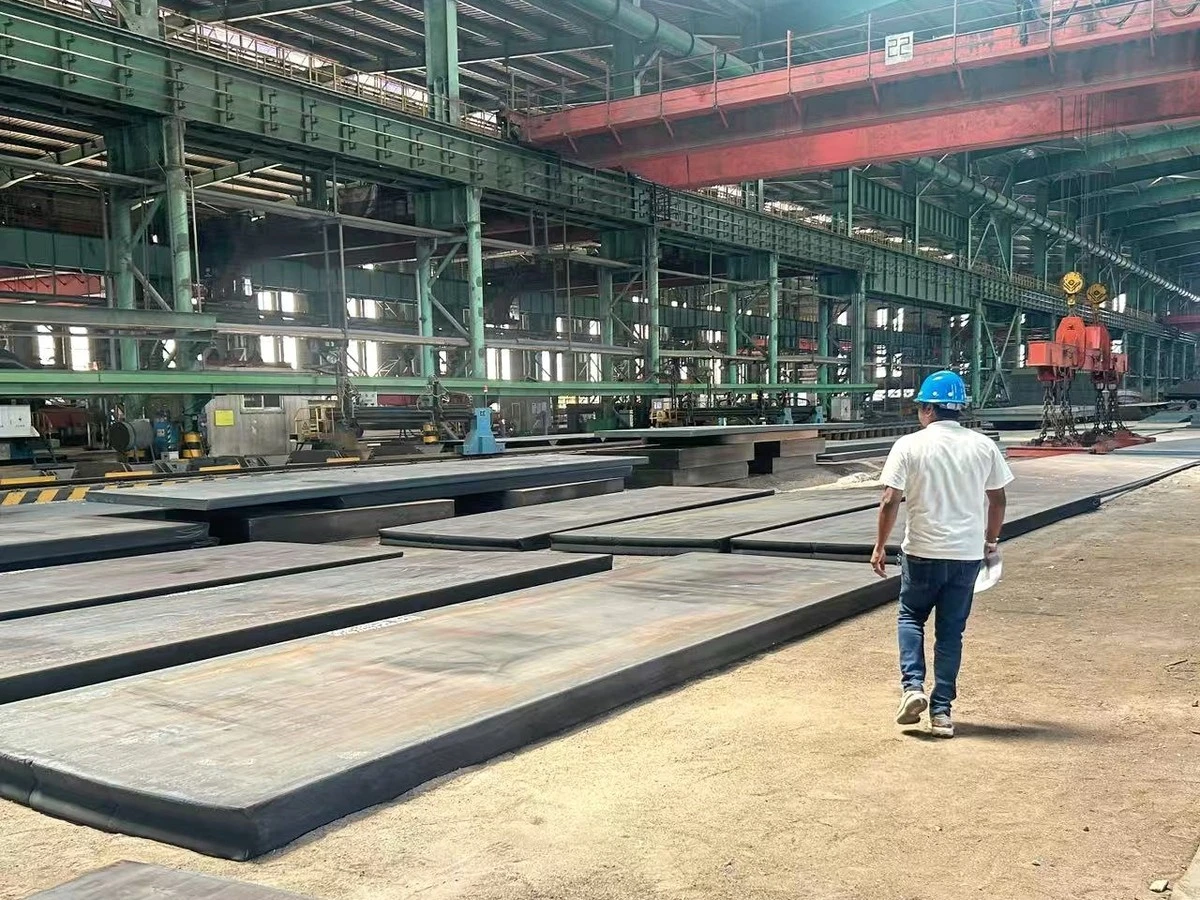
Raw steel profiles: Specify H-beams, I-beams, channel sections, structural plate, rectangular hollow tubing, or custom bent shapes your layout requires.
Surface protection systems: Choose hot-dip galvanizing (HDG), two-part industrial epoxy zinc-rich primer, or custom topcoat paint based on coastal humidity, snow, or chemical exposure at your job site.
Special performance requirements: Call out fire resistance ratings, low-temperature Charpy impact toughness for cold-region builds, or extra salt spray protection for waterfront facilities.
Material certification rules: State whether you require factory MTRs (Material Test Reports) or third-party lab test certificates for project inspection sign-off.
🔗 Sourcing Matrix Insight: Specifying the wrong paint system in high-salinity coastal areas leads to rapid asset rusting. Compare coating options before writing your RFQ: Protecting Primary Structural Steel: Shop Primer vs. Hot-Dip Galvanizing.
4. Welding, Machining & Dimensional Tolerance Standards
Steel fabrication quality hinges on controlled tolerances and consistent weld protocols. Without written rules inside your RFQ, factories fall back on their internal baseline standards, which may not meet strict local building code requirements. Outline all manufacturing guidelines here:
Dimensional deviation limits: List acceptable length, hole placement, and bend angle tolerances (e.g., EN 1090-2 Class 1 or AISC 303-22) to guarantee seamless on-site assembly.
Weld compliance benchmarks: Name required standards (AWS D1.1, ISO 3834) plus rules for Full Penetration (CJP) welds, cosmetic seam finishes, and mandatory NDT (Non-Destructive Testing) rates.
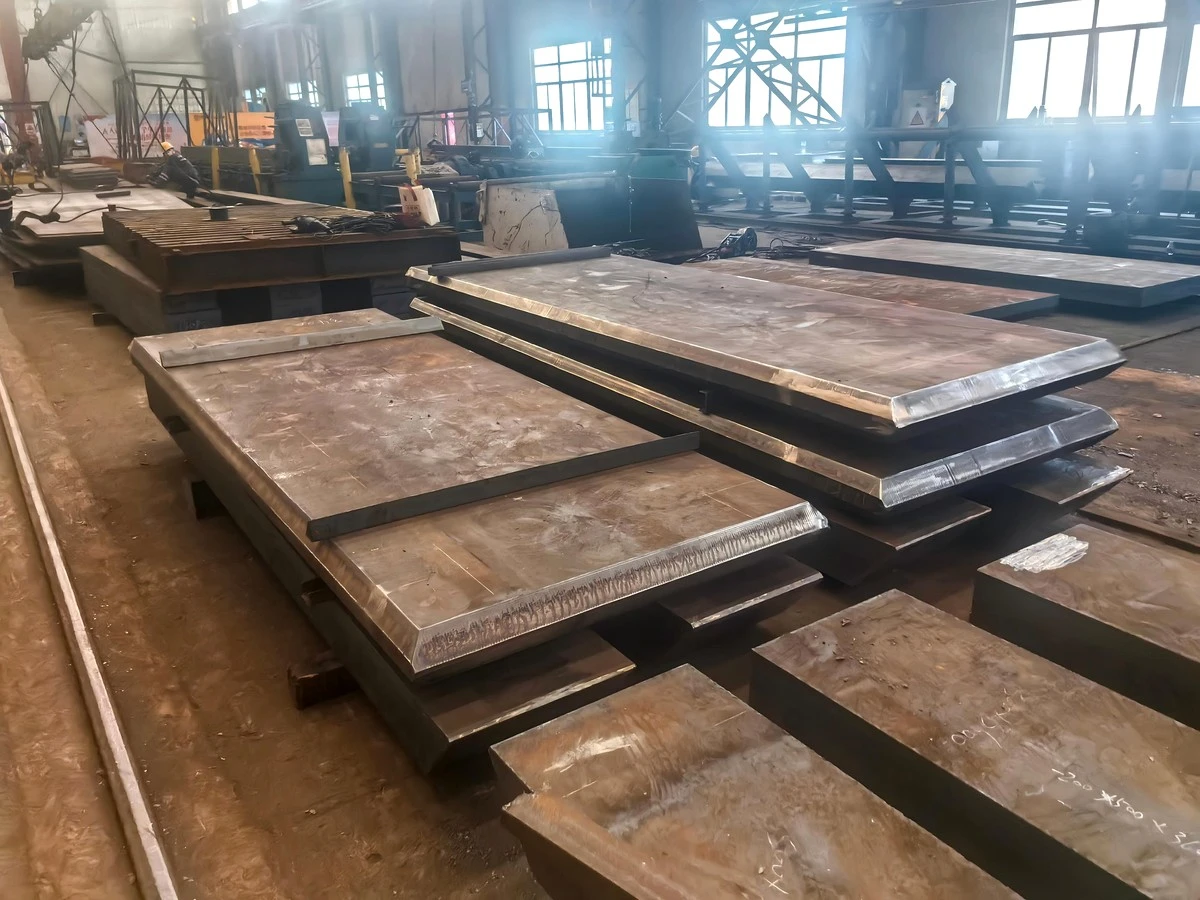
Custom machining requests: Note all pre-factory work, including drilling, punching, plasma cutting, edge beveling, and partial pre-assembly before export packaging.
Surface finishing expectations: Set clear rules for Sa 2.5 shot-blasting, edge deburring, uniform paint thickness (DFT), and minimum galvanization layer weight.
5. Order Volume, Lead Time & Cross-Border Shipping Rules
Production scheduling, labor allocation, and ocean freight pricing all rely on clear delivery expectations from buyers. Many costly project delays happen solely because procurement teams skip shipping and timeline details in their initial RFQ submission. Cover these logistics points fully:
Fixed order quantities: State total steel tonnage or component piece counts for accurate raw material mill sourcing.
Production turnaround windows: Define hard manufacturing windows and absolute delivery cutoff dates aligned with your construction phase timeline.
Defined Incoterms: Specify EXW, FOB, CIF, or DDP plus named loading and destination ports for seamless customs clearance.
Export-grade packaging requirements: Require rust-proof VCI wrapping, timber dunnage, heavy edge protection, and stenciled part bundles to speed on-site sorting.
Partial shipment permissions: Confirm if your site can receive staggered partial shipments if construction proceeds in phases.
6. Commercial Agreements & Independent Inspection Protocols
Prevent tense post-quote negotiation conflicts by embedding all non-technical terms directly into your RFQ. Full transparency on payment, warranty, and liability keeps both sides aligned before any production deposits change hands:
Fixed payment breakdown: Deposit percentage, milestone balance triggers, and accepted international transfer methods.
Structural warranty coverage: Define warranty length, defect repair terms, and vendor response windows for technical support.
Pre-shipment inspection rules: Confirm whether in-factory or independent third-party inspection (SGS/BV) is mandatory, alongside required final inspection dossiers.
Late delivery penalties: Clear liability terms to offset project downtime if shipments arrive late or fail quality checks.
🔗 Sourcing Matrix Insight: Delaying third-party quality audits until containers are locked at the port is a dangerous procurement trap. See how early hold points protect your budget: Why SGS and BV Inspections Should Start Before Fabrication Ends-Not After Container Loading.
Costly RFQ Mistakes That Derail Steel Construction Timelines
Even seasoned procurement managers repeatedly overlook small RFQ details that balloon into major project expenses. Recognizing these common missteps streamlines your quoting process and delivers far more reliable vendor pricing:
Submitting unapproved, incomplete blueprints: Missing connection dimensions or unmarked joint layouts force estimators to guess critical engineering values, leading to mismatched component sizes and inconsistent pricing across bids.
Vague material and coating descriptions: Skipping steel grade or galvanization thickness rules lets suppliers substitute cheaper materials, cutting upfront costs at the expense of long-term structural durability and raising maintenance bills years later.
Unspecified dimensional tolerances: Without clear fit guidelines, fabricated beams and columns often require time-consuming field modification on-site, slowing assembly and driving up labor costs for your contracting team.
Undefined delivery deadlines: When you fail to state firm ship dates upfront, manufacturers prioritize rush orders from other clients, pushing your steel shipment back and disrupting your full construction schedule.
🔗 Sourcing Matrix Insight: Eliminating technical ambiguity inside your bidding documents is the fastest way to avoid mill-side non-conformances. Review our master guide on global procurement traps: Top 10 Costly Mistakes When Sourcing Structural Steel (And How to Actually Avoid Them).
Conclusion: Disciplined Preparation Drives Project Success
A detailed, well-organized steel structure RFQ is the most reliable tool to avoid inconsistent pricing, unnecessary fabrication rework, and costly construction delays. By formalizing your project scope, engineering blueprints, material grades, manufacturing standards, and commercial terms, you create fair comparison ground for all bidding fabricators and lock in predictable, project-specific pricing.
For general contractors, factory operators, real estate investors, and steel wholesale distributors, disciplined RFQ preparation cuts total project spending, reduces schedule risk, and guarantees uniform structural quality across every custom steel fabrication order.
Send Your RFQ to Get a Precision Steel Structure Quote
Drafting a fully compliant, technically thorough RFQ package demands careful engineering attention, especially for large industrial and commercial steel builds. At PROMISTEEL, our in-house engineering and cross-border sales teams specialize in supporting global contractors, facility investors, and steel distributors with code-compliant, custom structural steel solutions built to match international construction standards.
If you hold finalized project drawings, technical specification sheets, or preliminary project outlines ready to share, contact our engineering team to forward your complete RFQ package today:
✅ Receive a fully itemized, transparent quotation within 24 business hours.
✅ Get targeted design and nesting optimization advice to lower your total tonnage spend without sacrificing structural safety.
✅ Lock in certified mill-direct raw materials, complete NDT testing logs, and seamless end-to-end export logistics.
👉 Submit Your Complete Steel Structure RFQ Package for Immediate Review


